
Expert medical treatment for alcohol dependence with safe detox support, medication management, and holistic recovery strategies.
Dr. Meenu Vaid, MD | Board-Certified in AddictionChronic disorder with compulsive use despite harm; brain changes. Medicine (ABPM), Internal Medicine, and Infectious DiseaseIllness caused by pathogens like viruses or bacteria.
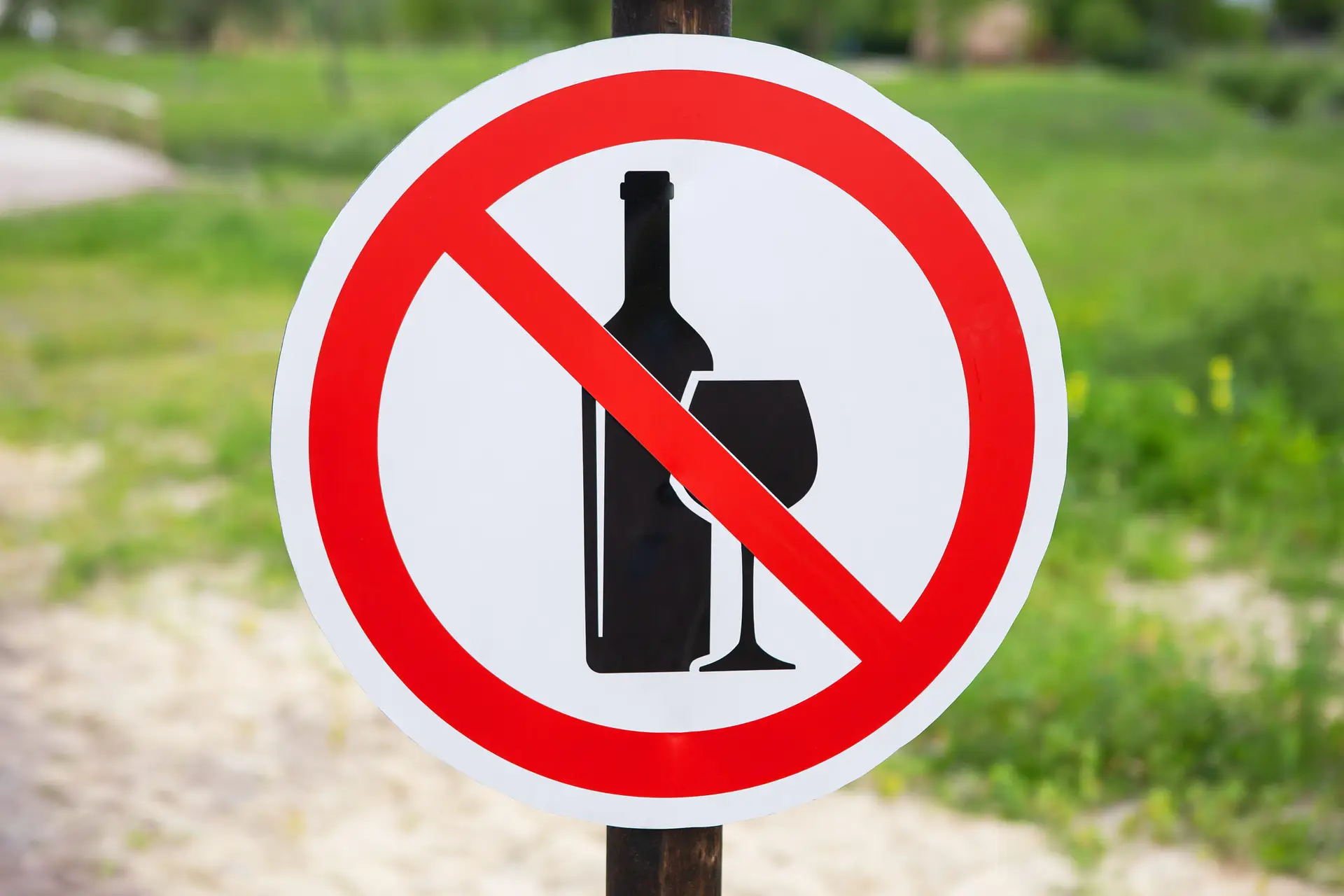
Alcohol use disorderInability to control alcohol use despite negative effects. (AUD) is a chronic condition. It makes drinking hard to control because the body and mind come to depend on alcohol. Over time it can take a serious toll on your health, your relationships, and your quality of life. Spotting the signs early can help prevent serious harm.
Alcohol dependence can develop for many reasons, including:
Genes that can raise the risk of alcohol use disorder
Emotional and mental triggers for heavy drinking
Social and environmental influences on alcohol use
People with a family history of alcohol use disorder face a higher risk of dependence. Mental health matters too. Anxiety and depression can lead some people to use alcohol as a way to cope. Social settings that encourage drinking, or make alcohol easy to get, add to the risk. Knowing these risk factors can help you act early.
Knowing the symptoms of chronic alcohol use disorder helps you act early. Common signs include:
Trouble stopping drinking, even when it causes harm
Strong cravings for alcohol
Needing more alcohol over time to feel the same effects
Withdrawal symptoms from alcohol, such as anxiety, tremors, and nausea
If you notice these warning signs, reach out early. Timely help can keep the condition from getting worse.
If you or someone you know is in crisis: Call or text 988 (Suicide and Crisis Lifeline), or call 1-800-662-HELP (SAMHSA, 24/7, confidential).
Dr. Vaid, MD is a board-certified addiction medicine physician. She has extensive experience helping people recover from substance use disorders. She is a member of the American Society of Addiction Medicine (ASAM). Her care blends compassion with current, evidence-based treatment.
Please note: We do not offer inpatient care, group therapy, or in-house cognitive behavioral therapy (CBT)Therapy addressing thought patterns, used in wellness coaching.. However, we maintain a strong referral network and can connect patients to trusted providers for these services as needed.
Out-of-network, by design. Savera operates outside insurance networks so visits stay unhurried and your medical record stays private. HSA and FSA accepted. We are upfront about cost at the first call.
Multilingual care. English, Punjabi, and Hindi.
Alcohol use disorder is a treatable condition. Recovery is possible with the right support and resources. If you or a loved one is living with alcohol use disorder, seeking professional help is crucial. Dr. Vaid provides expert one-on-one counseling and personal treatment plans for alcohol use disorder. She does not offer group therapy, but she can recommend reputable therapy groups that fit your needs. Contact Savera to learn more about treatment options, medically supervised detox, and long-term recovery strategies. It is a strong first step toward a healthier, alcohol-free life.
Book a consultation online or call (669) 270-2142.
Savera Wellness · 16433 Monterey Road, Morgan Hill, CA 95037
Alcohol use disorder can present itself through various symptoms, including:
Strong cravings and an inability to stop drinking despite negative consequences
Developing tolerance (needing more alcohol for the same effect)
Withdrawal symptoms such as anxiety, tremors, and nausea when not drinking
Recognizing these early signs can help in seeking timely intervention.
The most effective treatment involves a combination of:
Cognitive-behavioral therapy (CBT) to change drinking behaviors
FDA-approved medications to reduce cravings
Support groups like Alcoholics Anonymous (AA) for peer support
Medically supervised detox programs for managing withdrawal symptom
Alcohol use disorder can be caused by multiple factors, including:
Genetic predisposition – A family history of alcohol use disorder increases risk
Psychological stressors – Anxiety, depression, and trauma can lead to self-medicating with alcohol
Social influences – Environments where drinking is encouraged or easily accessible Understanding these risk factors can aid in preventing alcohol use disorder.
Yes, FDA-approved medications can help reduce alcohol cravings and manage withdrawal symptoms. These include:
Medications that block the pleasurable effects of alcohol
Drugs that reduce withdrawal discomfort These treatments are most effective when combined with therapy and behavioral support.
If you or a loved one is living with alcohol use disorder, seeking professional counseling and medical support is crucial. Dr. Vaid provides:
One-on-one counseling for personalized treatment plans
Recommendations for therapy groups to support sustained recovery Seeking help early can prevent serious health complications and improve quality of life.
Untreated alcohol use disorder can lead to:
Liver disease, heart complications, and neurological damage
Mental health issues such as depression and anxiety
Increased risk of accidents, legal issues, and damaged relationships Seeking treatment early can significantly improve long-term outcomes.
Alcohol use disorder is a chronic condition, meaning there is no permanent “cure.” However, it can be effectively managed with therapy, medical treatment, and lifestyle changes. Many individuals achieve sustained recovery through structured recovery programs.
Recovery varies for each person:
Detoxification may take a few days
Behavioral therapy and support programs can last several months to years
Sustained recovery depends on personal commitment and ongoing support
For heavy drinkers, quitting alcohol suddenly can lead to dangerous withdrawal symptoms, including:
Severe anxiety, tremors, and nausea
Hallucinations or seizures in extreme cases A medically supervised detox program is the safest way to stop drinking and manage withdrawal.
Family and friends play a crucial role in supporting a loved one’s recovery by:
Encouraging professional treatment
Providing emotional support
Helping create a stable, alcohol-free environment Seeking family counseling can also help loved ones navigate the challenges of the recovery process together.
Medically reviewed by Dr. Meenu Vaid, MD, Board-Certified in Internal Medicine, Infectious Disease, and Addiction Medicine.
Last clinically reviewed: June 27, 2026
This page is for educational purposes only and does not constitute medical advice. Reading it does not create a doctor-patient relationship. For emergencies, call 911. For a mental health or substance use crisis, call or text 988. Read our full medical disclaimer.