
Personalized treatment plan addressing nicotine dependence, triggers, and cravings with proven medical interventions.
Dr. Meenu Vaid, MD | Board-Certified in Addiction Medicine (ABPM), Internal Medicine, and Infectious Disease
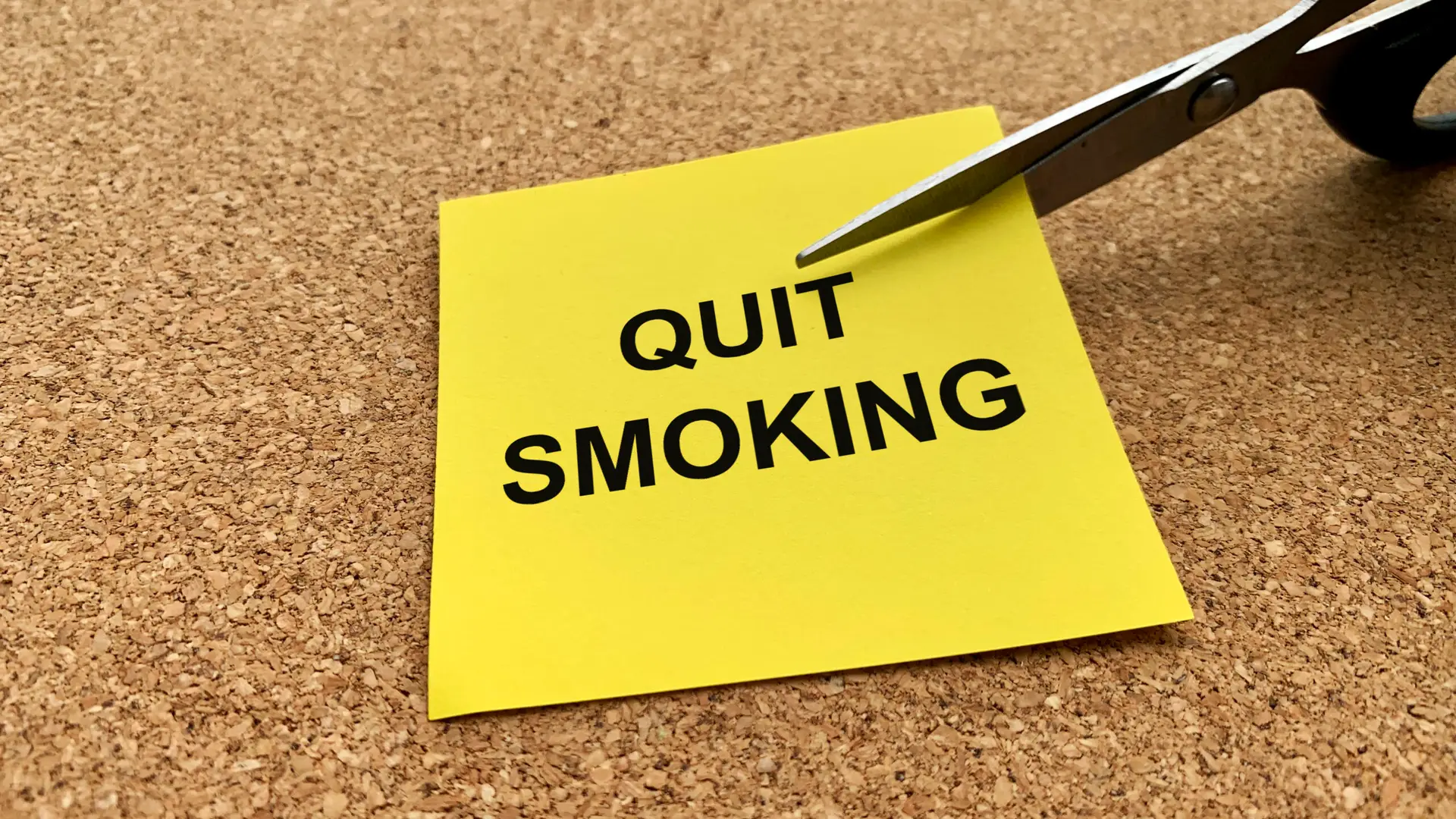
At Savera, we provide a structured and supportive approach to help individuals overcome nicotine dependence. More than just a habit, nicotine dependence is a powerful dependence that rewires the brain, making quitting incredibly difficult. Our evidence-based treatments, behavioral strategies, and holistic wellness plans empower individuals to take control and quit smoking for good.
Nicotine is the primary dependence-forming substance in tobacco, hijacking the brain’s reward system by triggering dopamine release. This reinforces cravings and leads to dependence, making smoking feel like an essential part of daily life. Over time, both physical and psychological dependencies develop, making quitting a significant challenge.
Many smokers experience:
At Savera, we don’t just treat the dependence. We address the underlying behavioral patterns that make quitting difficult.
Smoking is more than just a physical dependence. It’s a deeply ingrained habit. Many smokers light up:
Breaking this cycle requires intentional strategies, including:
Our program at Savera helps individuals retrain their brain, making a smoke-free life sustainable.
If you or someone you know is in crisis: Call or text 988 (Suicide and Crisis Lifeline), or call 1-800-662-HELP (SAMHSA, 24/7, confidential).
Quitting smoking isn’t just about willpower. It’s about managing withdrawal, cravings, and emotional attachment to smoking. The most common barriers include:
At Savera, we take a personalized, step-by-step approach to make quitting easier and more successful.
1. Personalized Treatment Plans
Each individual’s smoking history, triggers, and motivation are unique. We create customized plans that include medical support, behavioral strategies, and lifestyle changes.
2. Behavioral Therapy for Long-Term Change
3. Medication-Assisted Treatment (MAT)
For those living with intense withdrawal symptoms, we provide nicotine replacement therapy (NRT) and non-nicotine medications to ease the quitting process.
4. Support Groups & Counseling
5. Holistic Health & Wellness
Quitting smoking has immediate and long-term health benefits:
Cravings decrease over time as the brain relearns how to function without nicotine. With proper strategies, support, and persistence, the urge to smoke fades, and a smoke-free lifestyle becomes the new normal.
If you’re ready to quit smoking, Savera is here to help. Our compassionate, research-backed approach ensures long-term success with personalized plans, expert guidance, and ongoing support.
Schedule a consultation today and start your journey toward a healthier, smoke-free future.
Please note: We do not offer inpatient care, group therapy, or in-house cognitive behavioral therapy (CBT). However, we maintain a strong referral network and can connect patients to trusted providers for these services as needed.
Out-of-network, by design. Savera operates outside insurance networks so visits stay unhurried and your medical record stays private. HSA and FSA accepted. We are upfront about cost at the first call.
Multilingual care. English, Punjabi, and Hindi.
Book a consultation online or call (669) 270-2142.
Savera Wellness · 16433 Monterey Road, Morgan Hill, CA 95037
The 5 A’s, Ask, Advise, Assess, Assist, Arrange, are evidence-based steps used by healthcare providers to help people quit smoking.
Studies show that smoking can reduce life expectancy by 10 years or more, depending on smoking intensity and duration.
While vaping eliminates tar and many harmful chemicals found in cigarettes, it still contains nicotine, which is addictive and can have negative health effects.
Secondhand smoke is the inhalation of cigarette smoke from the environment, which can be harmful to non-smokers, including children and pregnant women.
The first 3 days are often the hardest because the body is withdrawing from nicotine, but cravings can persist for weeks.
Nicotine can still be addictive and affect the body’s cardiovascular system, even when consumed through vaping, gum, or patches.
Many smokers attempt to quit multiple times before succeeding, with long-term success rates improving through medical and behavioral interventions.
Both have serious health risks, but smoking is directly linked to lung disease, heart disease, and cancer.
Nicotine absorption varies, but estimates suggest a single cigarette is roughly equivalent to 10-15 puffs of a vape.
Yes, smoking can reduce sperm quality and fertility.
Smoking can cause vocal cord irritation and thickening, leading to a deeper voice over time.
Smoking can contribute to hair thinning and premature graying due to reduced oxygen supply to hair follicles.
Smoking leads to stained teeth, gum disease, and tooth loss.
Nicotine dependence is primarily caused by nicotine’s effect on neurotransmitters in the brain. Nicotine triggers dopamine release, reinforcing a habit loop that leads to dependency. Over time, the brain adapts, making it harder to feel pleasure without nicotine, which fuels dependence. This cycle makes quitting difficult without intervention.
Nicotine dependence develops because it hijacks the brain’s reward system, creating a strong association between smoking and pleasure. Factors like stress, habit formation, and social triggers further reinforce smoking behaviors. Many people struggle with quitting due to psychological dependence and withdrawal symptoms.
Quitting smoking can feel overwhelming because of withdrawal symptoms like anxiety, mood swings, and intense cravings. Many smokers fear weight gain, losing a coping mechanism, or failing to quit. However, structured support, medication, and behavioral therapy can make quitting more manageable.
Smoking becomes a habit through repetitive behavior and reinforcement. Each time a person smokes, their brain associates it with stress relief, relaxation, or social interaction, strengthening the habit. Over time, smoking turns into an automatic response to certain triggers, making it harder to quit.
Medically reviewed by Dr. Meenu Vaid, MD, Board-Certified in Internal Medicine, Infectious Disease, and Addiction Medicine.
Last clinically reviewed: June 27, 2026
This page is for educational purposes only and does not constitute medical advice. Reading it does not create a doctor-patient relationship. For emergencies, call 911. For a mental health or substance use crisis, call or text 988. Read our full medical disclaimer.