
Specialized Pain Reprocessing Therapy addressing fear-pain cycles through cognitive reframing, somatic tracking, and evidence-based anxiety reduction techniques for sustainable chronic pain management.
Dr. Meenu Vaid, MD | Advanced Training in Pain Reprocessing Therapy, Board-Certified in Internal Medicine, Infectious Disease, and Addiction Medicine
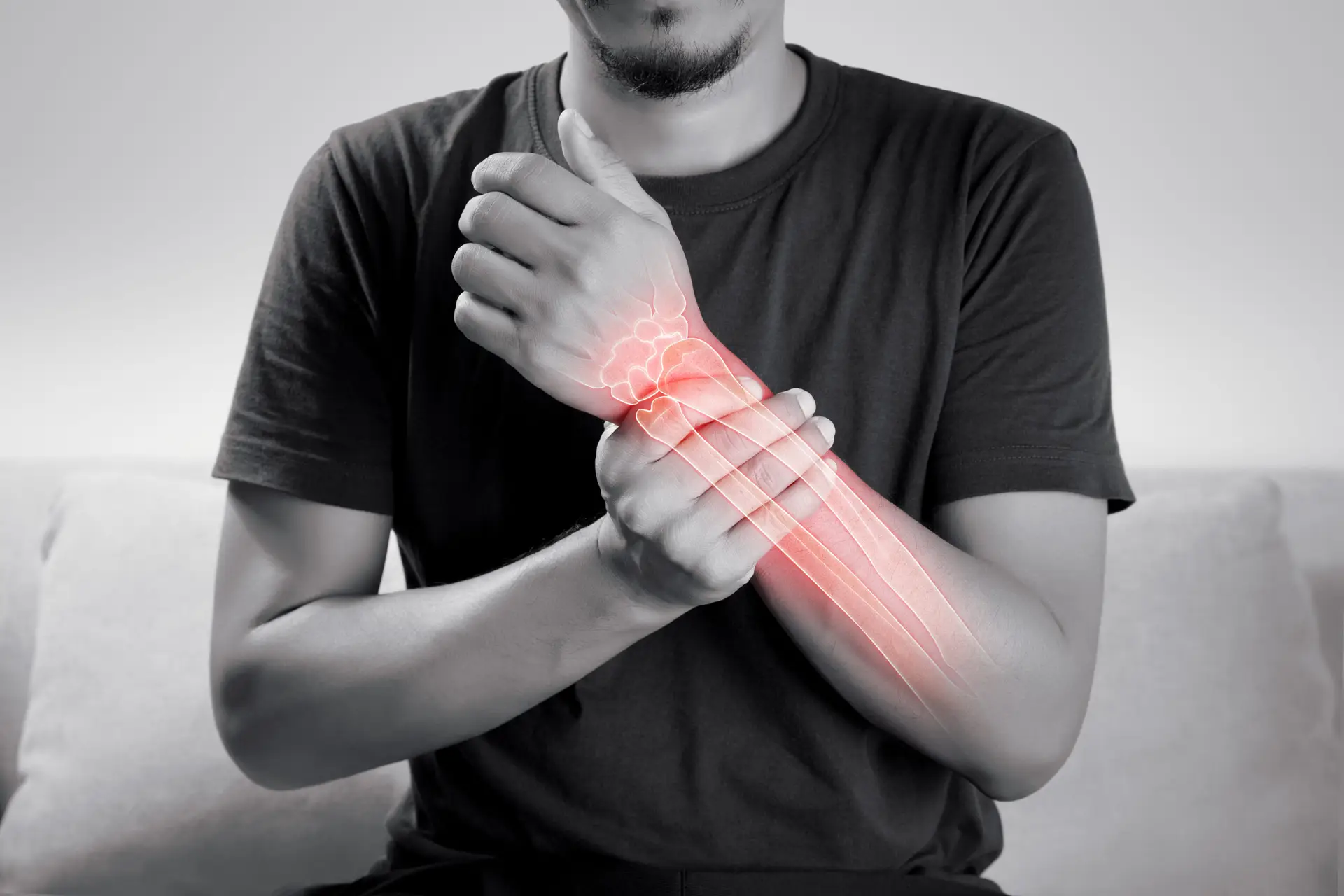
Living with fibromyalgia feels like carrying an invisible weight. Your whole body aches. Simple tasks feel impossible. And worst of all? Many people don’t understand what you’re going through.
But here’s some good news: Pain Reprocessing Therapy (PRT) can help you take back control.
I’m Dr. Meenu Vaid, and I’ve helped countless patients in Morgan Hill manage fibromyalgia without relying on medications alone. As a board-certified physician with specialized training in Pain Reprocessing Therapy, I know that your pain is real, and I know how to help your brain process it differently.
Fibromyalgia is a chronic condition that causes widespread body pain, fatigue, and tender points throughout your muscles. It affects about 4 million adults in the United States, with women being diagnosed more often than men.
Common Symptoms
The pain isn’t in your head. Your nervous system has become oversensitive, amplifying normal sensations into painful ones.
Here’s the science made simple: Your brain has learned to amplify pain signals.
Think of it like a smoke alarm that goes off when you’re just making toast. The alarm works fine, it’s just too sensitive. PRT helps recalibrate your nervous system so it stops overreacting.
The Brain-Pain Connection
Research shows that fibromyalgia pain is often caused by central sensitization, when your central nervous system becomes hypersensitive to pain. Your brain isn’t making up the pain. It’s genuinely processing signals incorrectly.
That is also why the strongest trial evidence for Pain Reprocessing Therapy comes from chronic back pain rather than fibromyalgia. The Boulder Back Pain Study enrolled 151 adults with back pain, not fibromyalgia. PRT targets the same brain-based amplification described above, but the fibromyalgia research is at an earlier stage, and Dr. Vaid will tell you that directly.
The good news? Your brain can learn to process pain differently.
Phase 1: Understanding Your Pain (Sessions 1-2)
We map out your unique pain patterns, sleep quality, stress factors, and treatment history. Then I explain exactly how your nervous system works and why you’re experiencing pain.
Phase 2: Learning New Skills (Sessions 3-6)
You’ll master:
Somatic Tracking – Observing pain without fear or judgment
Cognitive Reframing – Replacing catastrophic thoughts with realistic ones
Stress Management – Deep breathing, progressive muscle relaxation, and mindfulness meditation
Phase 3: Real-Life Practice (Sessions 7-10)
We take what you’ve learned into daily life by gradually doing activities you’ve been avoiding, building evidence that movement is safe, and creating sustainable habits.
Phase 4: Staying Strong (Sessions 11-12+)
We develop your personalized maintenance plan with monthly check-ins and booster sessions whenever needed.
Let me be honest. PRT isn’t a magic pill. It requires commitment and practice.
Most patients notice improvements within 4-6 sessions. Full benefits typically emerge over 8-12 weeks.
Nobody can promise you a percentage, and you should be wary of anyone who does. The randomised trial evidence for PRT comes from chronic back pain rather than fibromyalgia, so there is no published success rate for fibromyalgia to quote. What Dr. Vaid sees in practice is that sleep and daily activity usually shift before pain intensity does. Some people get substantial relief, some get partial relief, and some do not respond — and she will tell you plainly when it is time to stop and try something else.
Consistent bedtime, cool dark bedroom, no screens before bed, gentle stretching
Nutrition
Eating well supports sleep and daily activity, which is usually where change shows up first. The evidence that any particular anti-inflammatory diet reduces chronic pain is weak, and we set out what the research actually shows in diet and chronic pain. Savera does not provide nutrition therapy, meal plans or diet programs.
Gentle Exercise
Walking 10-20 minutes daily, swimming, gentle yoga, stretching exercises
This treatment works best for people who:
✓ Are open to trying a brain-based approach
✓ Can commit to weekly sessions for 8-12 weeks
✓ Are willing to practice techniques between appointments
✓ Want to reduce medication dependence
✓ Are looking for long-term solutions
Contact Savera today to schedule a consultation and discover how PRT can help you achieve lasting pain relief and emotional well-being.
Out-of-network, by design. Savera operates outside insurance networks so visits stay unhurried and your medical record stays private. HSA and FSA accepted. We are upfront about cost at the first call.
Multilingual care. English, Punjabi, and Hindi.
Book a consultation online or call (669) 270-2142.
Savera Wellness · 16433 Monterey Road, Morgan Hill, CA 95037
Quick answer: PRT’s randomised evidence is in chronic back pain, not fibromyalgia (PubMed). The first direct evidence in fibromyalgia is a 2025 single-arm pilot of a brief three-session version of PRT in 35 adults. Pain intensity, pain interference and pain-related fear all improved over three months, and 42% of those who finished rated themselves much or very much improved (PubMed).
It was open-label with no control group, so the improvement cannot be credited to PRT alone. It is a promising first study, not proof — which is why the honest answer to “how well does this work for fibromyalgia” is still “we are finding out”.
PRT specifically targets how your brain processes pain signals using neuroscience research, while regular therapy addresses mental health and emotions.
No. Keep taking prescribed medications while doing PRT. Many patients naturally reduce medication use as pain decreases.
PRT typically involves:
Chronic pain can rewire the brain to become hypersensitive to pain signals. Over time, this leads to an overactive pain response even when there is no actual injury or threat. PRT works to reverse these changes by teaching the brain to interpret pain signals accurately and reducing unnecessary pain amplification.
Chronic pain management requires a combination of mindset shifts, pain education, and behavioral techniques. PRT empowers individuals to take control of their pain by changing how their brain perceives it. With the right approach, chronic pain doesn’t have to define or control one’s life.
The results of PRT can vary from person to person. Some patients report noticeable pain relief within a few weeks, while others may require consistent practice over several months to achieve lasting improvements. The key is consistency and commitment to the therapy techniques.
Absolutely. PRT leverages the brain’s neuroplasticity to retrain its response to pain signals. By reframing negative pain perceptions, practicing somatic tracking, and reducing fear-based responses, patients can rewire their brain to minimize or eliminate chronic pain.
Medically reviewed by Dr. Meenu Vaid, MD, Board-Certified in Internal Medicine, Infectious Disease, and Addiction Medicine, with Advanced Training in Pain Reprocessing Therapy.
Last clinically reviewed: June 27, 2026
This page is for educational purposes only and does not constitute medical advice. Reading it does not create a doctor-patient relationship. For emergencies, call 911. Read our full medical disclaimer.