Your phone buzzes during class. A notification pops up while you study. Another app wants your attention right now. Sound familiar?
You’re not alone. Students check their phones over 100 times each day. Workers lose hours to social media scrolling. Families struggle to have dinner without screens at the table.
Digital distraction redirection helps you take back control. This approach gives you practical tools to manage device use and focus on what really matters.
We help people rebuild focus by combining medical knowledge with real-world strategies. Our team understands how technology affects your brain. More importantly, we know how to help you break free from constant distraction.
Why Digital Distractions Control Your Day?
Mobile devices changed everything. Apps compete for every second of your time. Social media platforms use smart tricks to keep you scrolling. Each buzz or beep triggers a small reward in your brain.
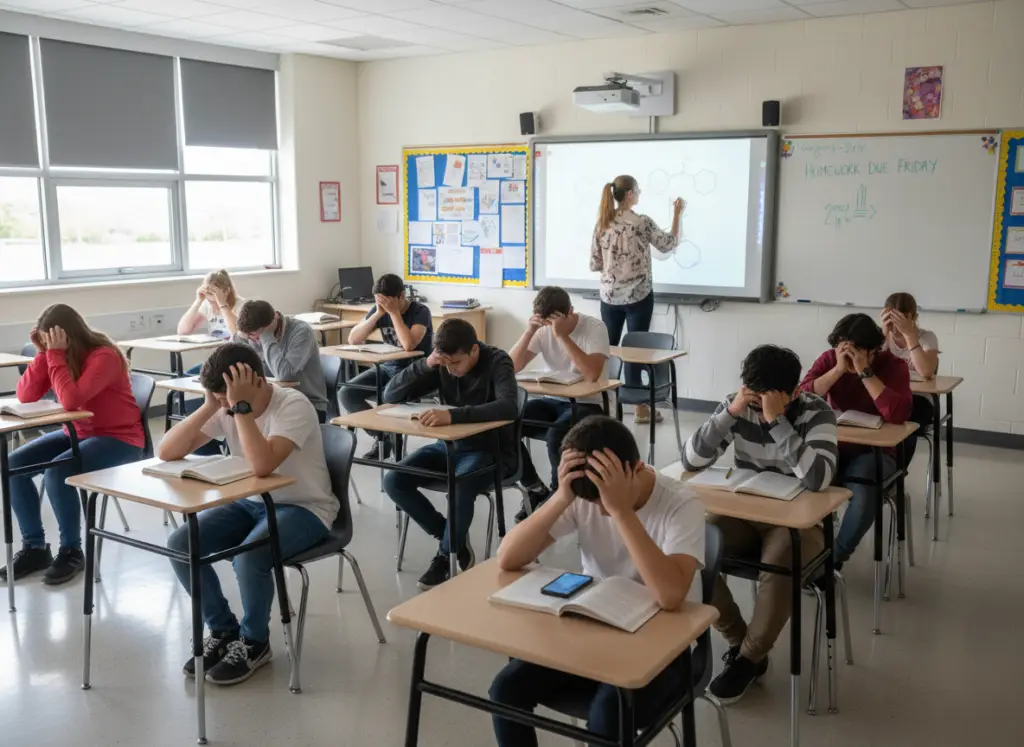
The average student touches their phone 344 times daily. That’s once every four minutes during waking hours. High school students face unique challenges when smartphones sit on their desks during class.
Teachers report growing struggles with classroom focus. One study found that students with phones in view scored 20% lower on tests. Even silent devices drain mental resources as students resist checking them.
These distractions work differently from old-style interruptions. Technology companies hire brain scientists to make apps addictive. Notification systems copy slot machine tricks that make you want more.
The damage goes beyond lost minutes. Switching tasks repeatedly hurts your brain’s performance. Research shows that recovering full focus after one distraction takes 23 minutes. When your phone interrupts every few minutes, deep learning becomes impossible.
Where Distractions Come From
- Smartphone alerts from messaging apps
- Social media feeds are designed to scroll endlessly
- Video platforms with autoplay features
- Mobile games with reward systems
- Email notifications throughout the day
- Breaking news alerts every hour
How They Hurt Your Life
- Lower grades and test scores
- Poor memory and learning problems
- Higher stress and worry levels
- Bad sleep from evening screen time
- Weaker family connections
- Inability to focus on one task
Understanding these patterns marks your first step forward. Digital distraction redirection recognizes that technology itself isn’t bad. The problem lies in how we use our devices and whether that use matches our real goals.
How Digital Distraction Redirection Protects Your Health and Learning?
Constant device checking creates real harm to your body and mind. Your nervous system wasn’t built for nonstop alerts. Every notification activates stress responses in small but powerful ways.
Screen time affects many parts of your health. Broken attention damages your brain’s control center. Students struggle to plan, decide, and manage emotions when their minds stay in constant reaction mode.
Students face particular challenges with school performance. Having a smartphone in the room during study sessions reduces understanding by 30%. Even when devices stay silent, just seeing them nearby uses up brain power as you fight the urge to check.
Medical Fact: Our healthcare team is seeing increasing numbers of young people experiencing technology-related stress. Common symptoms include broken sleep patterns, increased worry, trouble focusing, and feeling overwhelmed. Digital distraction redirection serves as a key treatment in our wellness programs.
Mental health is deeply connected to device use. Too much smartphone time links to higher rates of depression and worry. This hits young people especially hard. Social media comparison culture creates constant background stress.
Your body suffers too. Extended device time means less physical activityExercise to improve health, encouraged in wellness coaching.. Poor posture while using a phone can cause neck and back pain. Blue light from screens before bed disrupts sleep hormones and natural sleep cycles.
- Attention spans shrink with constant multitasking
- Memory gets weaker when learning happens with distractions
- Creativity drops without mental rest and quiet time
- Family bonds weaken when phones interrupt conversations
- Work and home life blur with always-on connectivity
Fixing digital distraction needs more than willpower alone. You need clear systems that work with your brain instead of against it. Digital distraction redirection provides that framework.
Get Your Free Digital Focus Assessment
Take our quick digital wellness evaluation to understand your distraction patterns. Our assessment identifies your specific triggers and provides personalized recommendations. This free tool takes five minutes and gives you immediate, actionable insights to start improving your focus today.
Proven Digital Distraction Redirection Strategies That Work
Effective redirection starts with knowing your unique patterns. Everyone uses technology differently. Some people struggle mainly with social media. Others battle email habits or news checking.
Create Spaces That Support Focus
Your physical environment shapes attention more than you think. Designing spaces for focus reduces the constant need for self-control.
Remove devices from easy reach during work or study time. Students who put their phones in another room during homework show 40% better learning than those who keep their devices on their desks. The same principle works in offices and workplaces.
Make specific areas device-free zones. Many families keep bedrooms phone-free to protect sleep quality. Dining rooms without screens encourage mindful eatingEating with awareness to improve nutrition, used in wellness coaching. and real conversation.
Physical Control Methods
Create distance between you and devices during focused activities.
- Store your phone in another room during study sessions
- Use desk drawers to hide devices from sight
- Create no-phone zones in your home
- Turn computer monitors away from the notification view
Time-Based Boundaries
Schedule specific device times instead of constant access.
- Check social media only at set times
- Start mornings without devices for the first hour
- Stop screen time one hour before bed
- Use time blocks for entertainment apps
Technology Settings
Use device features to reduce interruptions.
- Turn off all non-essential notifications
- Enable Do Not Disturb during class or work
- Delete social media apps from phone
- Switch phone to grayscale mode
Social Agreements
Share your focus practices with others for support.
- Tell friends about your response time expectations
- Inform teachers about your focus goals
- Set family screen-free times together
- Show healthy habits for younger siblings
Manage Notifications Like a Pro
Notifications cause most interruptions for students and workers. Aggressive notification control dramatically improves focus capacity.
Check every app on your device. Ask whether each one truly needs to interrupt you. Most apps enable notifications by default despite providing little real value.
Consider a tiered system. Essential messages from family or urgent school alerts might deserve notifications. Everything else can wait for scheduled checking times.
- Review every installed app and notification permission
- Disable alerts for social media, news, and games
- Keep only critical communication and calendar reminders
- Set specific times to check apps manually
- Use focus modes that silence non-urgent interruptions automatically
Tools and Apps for Better Focus
Technology offers powerful tools for managing technology use. These apps work best when used temporarily to build new habits.
Website blockers prevent access to distracting sites during study or work periods. App timers limit daily social media use. Screen time tracking shows actual usage versus what you think you use.
Recommended Student Tools
- Forest – turns focus time into a game
- Freedom – blocks websites across all devices
- Cold Turkey – creates strict study schedules
- Focusmate – virtual study partner sessions
- SelfControl – Mac app for website blocking
- StayFocusd – Chrome extension for time limits
Built-In Phone Features
- Screen Time on iPhone – usage tracking
- Digital Wellbeing on Android – app limits
- Focus Mode – automated distraction blocking
- Scheduled Do Not Disturb – automatic silencing
- App Time Limits – daily restrictions
- Downtime – scheduled device lockdown
Advanced Techniques
- Use a basic phone for school days only
- Delete and reinstall apps when needed
- Keep the phone in grayscale permanently
- Remove all social apps from your mobile
- Use web versions instead of apps
- Create separate school and personal devices
Replace Phone Time With Better Activities
Simply stopping phone use leaves a gap. Successful digital distraction redirection requires good alternatives that meet your real needs.
Identify what you really want when reaching for your phone. Boredom relief? Social connection? Mental break? Information? Each need has healthier ways to meet it.
Build a list of quick alternative activities. A five-minute walk outside. Three minutes of stretching. Calling a friend for a real conversation. Reading an actual book. Writing thoughts in a journal. Having ready alternatives makes redirection easier in the moment.
- Physical movement breaks reduce restless energy
- Face-to-face talks satisfy social needs better
- Creative hobbies provide engagement without screens
- Outdoor time resets attention and reduces stress
- Paper reading builds sustained focus skills
Digital Distraction Redirection for Classroom Success
Classrooms present unique challenges for managing digital distraction. Teachers and students both need practical strategies that work in school environments.
What Teachers Can Do
Teachers increasingly implement phone management policies. Some schools use complete bans during class time. Others allow phones but require them to be stored during lessons.
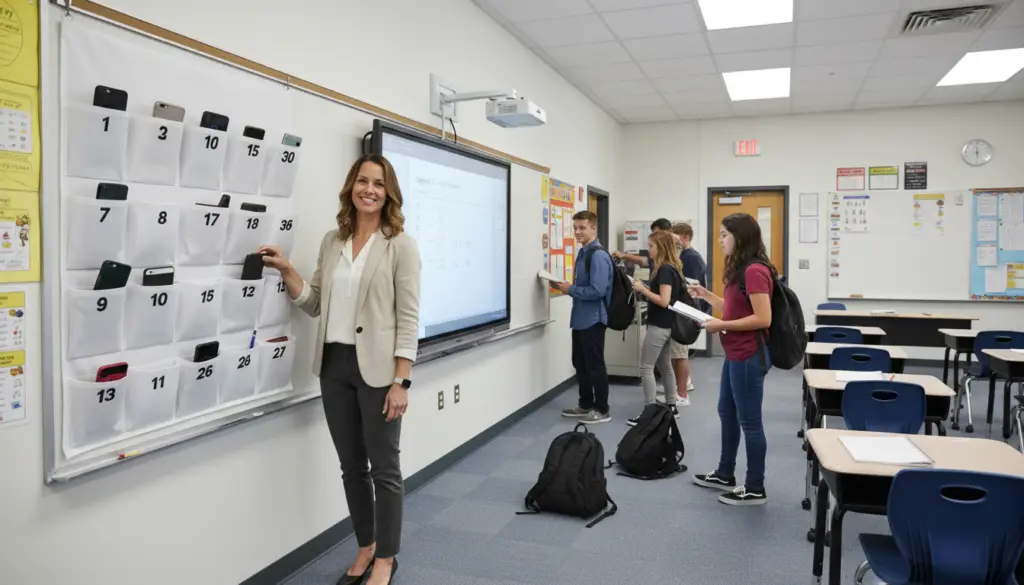
Phone collection systems work well. Wall organizers with numbered pockets let students store devices at the room entrance. Students retrieve phones between classes or during approved breaks.
Clear expectations matter most. Teachers who explain the learning science behind phone-free class time get better student cooperation. When students understand how distractions hurt their grades, they become partners in focus.
Effective Classroom Policies
- Require phones in bags or lockers during class
- Use phone parking systems at the room entrance
- Implement school-wide phone bans during lessons
- Allow scheduled phone breaks between tasks
- Create phone-free zones in the library and study areas
- Teach digital citizenship and self-regulation
- Model good device habits as an educator
What Students Can Do
Student success starts with honest self-assessment. Track how often you check your phone during one school day. Most students underestimate their actual usage by 50% or more.
Develop personal systems that work within school rules. Sit near the front of the classroom to reduce temptation. Keep your phone in your backpack instead of your pocket. Use a basic watch instead of checking the time on your phone.
Form study groups with shared focus goals. When everyone agrees to phone-free study sessions, peer pressure works in your favor. Accountability partners help each other stay on track.
| Class Type | Distraction Risk | Best Strategy | Expected Benefit |
| Lecture Classes | High – passive listening | Phone in backpack, handwritten notes | 30-40% better retention |
| Discussion Classes | Medium – active participation | Phone in bag, sit near the teacher | Better engagement scores |
| Computer Labs | Very High – device required | Website blockers, separate devices | Focus on assigned work |
| Study Hall | Extreme – unsupervised time | Library phone-free zones | Productive study time |
| Online Classes | Maximum – at home | Dedicated workspace, app blockers | Complete assignments faster |
What Parents Can Support
Parents play a crucial role in redirecting students’ digital distractions. Home habits directly affect school performance and classroom behavior.
Create homework routines that keep phones out of study spaces. Designate a central charging station where all family devices stay during homework hours. This removes temptation and models healthy boundaries.
Communicate with teachers about technology policies. Support school-wide efforts to reduce classroom distractions. When home and school align on device expectations, students get consistent messages.
Monitor without micromanaging. Use parental control apps to track screen time and app usage. Have regular conversations about digital habits rather than simply imposing rules.
Track Your Digital Distraction Redirection Progress
Measuring progress keeps you motivated and honest. Tracking reveals actual improvement even when daily experience feels unchanged.
Most phones include built-in tracking tools. iPhone Screen Time and Android Digital Wellbeing provide detailed reports. Review these weekly to see real patterns.
Track outcomes beyond device time. Monitor grades and test scores. Notice sleep quality changes. Pay attention to stress levels and the quality of family relationships. These broader measures show the real benefits of better focus.
4.4/5
4.7/5
4.5/5
4.6/5
4.8/5
4.9/5
Celebrate milestones meaningfully. Reaching one week of improved focus deserves recognition. One month represents solid habit formation. Three months indicates real lifestyle change.
Expect setbacks. Everyone struggles sometimes. Stressful exam periods or social events might temporarily increase phone use. Treat these as learning opportunities rather than failures.
Speak with a digital wellness specialist
Life-Changing Benefits of Digital Distraction Redirection
Taking control of your attention creates powerful positive effects across all areas of life. The benefits reach far beyond simply using devices less.
Better Academic Performance
Your brain works dramatically better with uninterrupted focus time. Deep learning requires sustained attention that fragmented study makes impossible.
Students who implement digital distraction redirection report higher test scores and better comprehension. Information moves from short-term to long-term memory more effectively without constant interruptions.
One high school study tracked students who eliminated phones from study sessions. These students completed homework 50% faster, with better-quality results. Their grades improved by an average of one letter grade within two months.
Improved Mental Health
Mental well-being improves quickly after reducing device distractions. Anxiety decreases as the constant low-level stress of notifications disappears. The mental burden of unfinished digital tasks lightens.
Documented Mental Health Gains
- Lower anxiety and stress responses
- Better mood stability throughout each day
- Stronger sense of control over life
- Fewer symptoms of depression
- Improved emotional regulationManaging emotions to improve mental health, coached skill.
- Higher overall life satisfaction
- Greater sense of presence and engagement
- Reduced fear of missing out
Sleep quality improves markedly when evening device use decreases. Natural sleep hormones return to normal without late-night blue light exposure. The mental stimulation of social media no longer delays falling asleep.
Stronger Relationships
Present-moment awareness transforms relationships with family and friends. Parents feel more connected when phones don’t interrupt family dinners. Siblings build stronger bonds through face-to-face interaction.
Friendships deepen through real conversation rather than superficial digital contact. The quality of the connection matters far more than the quantity of online interactions.
Greater Life Achievement
Meaningful accomplishment requires sustained effort. Digital distraction redirection removes the main obstacle preventing progress on important goals.
Time suddenly appears for projects you’ve postponed. One hour a day, reclaimed from mindless scrolling, adds up to 365 hours a year. That’s enough time to learn a new skill, read 30 books, or master a musical instrument.
Students complete college applications thoroughly. Athletes improve training consistency. Artists finish creative projects. Goal completion rates soar when attention aligns with intentions.
Your Step-by-Step Digital Distraction Redirection Plan
Knowledge alone changes nothing. Action separates intention from transformation. Your personal plan must fit your specific life, challenges, and goals.
Week One: Awareness and Assessment
Begin with an honest evaluation. Enable screen time tracking for seven days without making changes. Simply observe your current patterns.
Document context along with duration. When do you grab your phone? What triggers checking behaviors? Which apps consume the most time? What activities get displaced by device use?
Identify your primary problem areas. Some students struggle mainly with classroom distractions. Others face interruptions during study sessions or bedtime scrolling.
Week Two: Initial Changes
Start with three simple changes that feel challenging but achievable. Examples include turning off all social media notifications, putting your phone in another room during homework, or stopping screen time one hour before bed.
Expect discomfort. Old habits resist change. The urge to check your phone will feel strong at first. This is a normal brain adjustment, not failure.
Weeks Three and Four: Building Momentum
Add environmental controls and replacement activities. Create a phone-free study space. Build a list of alternative activities for moments of boredom. Establish device-free family meal times.
Track small wins. Notice improved focus during homework. Appreciate falling asleep faster. Recognize better conversations with friends and family.
Success Tip: Focus on adding positive behaviors rather than only restricting negative ones. “Read for 20 minutes before bed” works better than “Don’t use phone after 9 pm” because it provides specific direction and fulfills the need for wind-down activities.
Months Two and Three: Habit Formation
Refine strategies based on what works for your unique situation. Some techniques prove more effective than others. This experimentation period reveals your optimal approach.
Adjust when life changes. Exam periods might need stricter controls. School breaks might allow more relaxed boundaries. Flexibility prevents all-or-nothing thinking.
- Review progress using screen time data weekly
- Celebrate reaching milestone goals meaningfully
- Adjust strategies that aren’t working well
- Add new challenges as current habits solidify
- Share successes with supportive friends or family
- Seek help if struggling with implementation
Common Obstacles and Solutions
Everyone encounters challenges when redirecting digital distractions. Preparing responses in advance prevents derailment when difficulties arise.
| Challenge | Why It Happens | Practical Solution |
| Strong urges to check the phone | Brain seeking dopamine reward | Take three deep breaths; do an alternative activity for five minutes |
| Friends expect instant responses | Social pressure and FOMO | Communicate your study hours; check messages at scheduled times |
| Boredom without a phone | Unused to quiet mental time | Keep a list of quick activities; practice sitting with boredom briefly |
| Need a phone for homework | Research or online assignments | Use a computer instead; block social apps during work time |
| Breaking established routines | Stress or special events | Return to plan immediately without self-criticism; analyze triggers |
Partner With Digital Wellness Experts
Our healthcare team specializes in helping students, families, and professionals build sustainable focus habits. We combine medical knowledge with practical strategies tailored to your unique situation. Schedule a free consultation to discuss your specific challenges and create a personalized digital distraction redirection plan that actually works for your life.
Start Your Digital Distraction Redirection Journey Today
Digital distraction redirection isn’t about hating technology. It’s about taking back control of your attention and using devices in ways that support your real goals.
These strategies work for thousands of students, families, and professionals. Students improve grades and reduce stress. Teachers create better classroom environments. Parents build stronger family connections. Everyone rediscovers focus and presence.
Starting requires just one small step today. Maybe you’ll turn off notifications tonight. Perhaps you’ll move your phone during tomorrow’s homework. You might create a device-free dinner this week. Each action begins the transformation.
Challenges will come. Your brain will resist changing comfortable habits. The pull of social media can feel strong at times. These difficulties are normal parts of the process, not signs you’re failing.
You don’t face this journey alone. Our healthcare team helps people reclaim attention and rebuild focus every day. We understand the science of distraction and the practical realities of modern life. We combine proven medical approaches with real-world strategies that fit your unique circumstances.
Your attention is your most valuable resource. Where it goes, your life follows. Digital distraction redirection helps you invest this precious resource wisely, creating the life you want rather than the one that happens by default.
The present moment is infinitely rich when you’re fully here to experience it. Learning deepens. Relationships flourish. Achievement becomes possible. Life itself grows more vivid when you’re not perpetually half-present, mind absorbed in digital elsewhere.
Start today. Your future self with better grades, stronger relationships, and greater peace of mind is waiting.
Begin Your Focus Journey With Expert Guidance
Take the first step toward reclaiming your attention and achieving your goals. Our integrative wellnessCombining conventional and alternative practices in coaching. team offers personalized assessments, proven strategies, and ongoing support for students, families, and professionals.