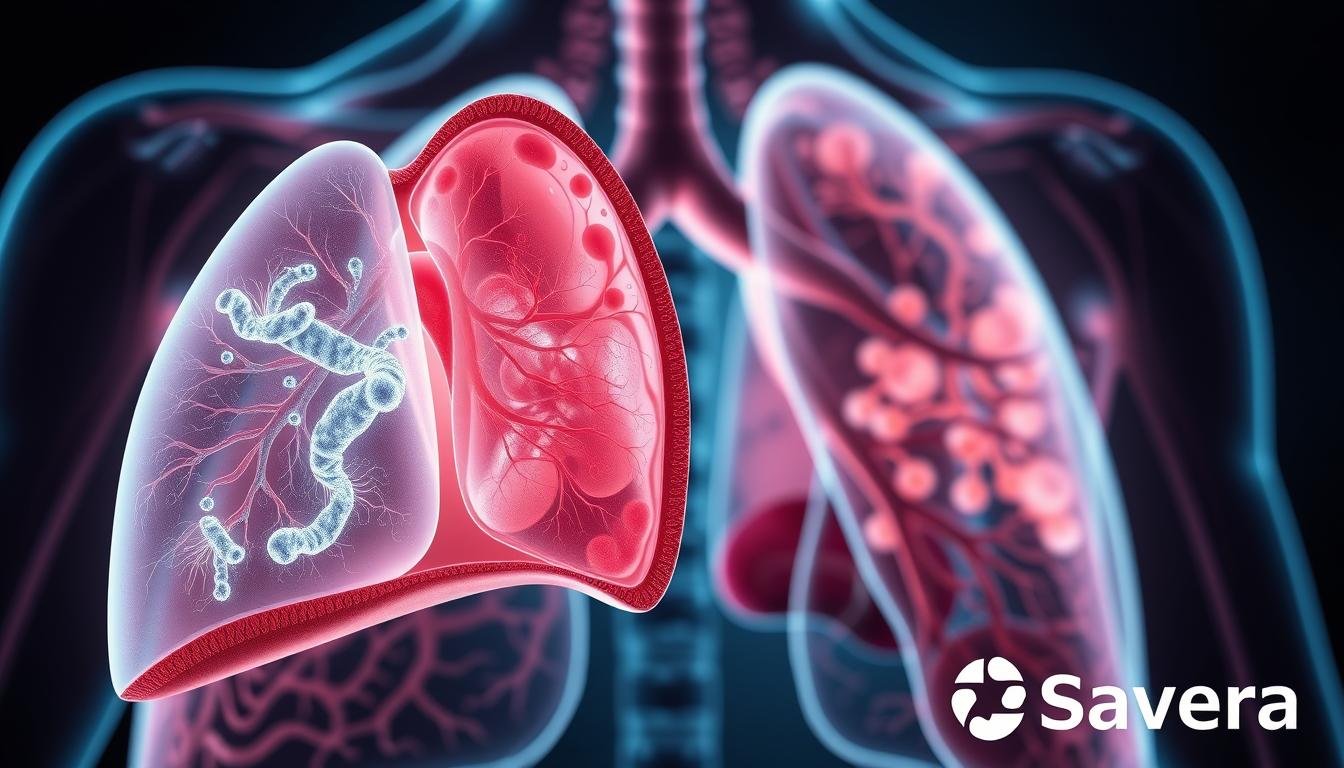
Quick answer: Latent TB is a dormant tuberculosis infection: the bacteria are in your body but inactive, so you have no symptoms and cannot spread it, though it can become active later. Treating it early, now often with shorter three-to-four-month regimens, dramatically lowers the risk of it progressing to active TB.
How New Strategies Are Changing TB Treatment
Tuberculosis (TB) is a serious infectious disease caused by Mycobacterium tuberculosis. While many people associate TB with its active form, where symptoms like a persistent cough, fever, and weight loss occur, there’s another hidden threat—latent tuberculosis infection (LTBI). In latent TB, a person carries the TB bacteria in their body but shows no symptoms and isn’t contagious. However, without proper treatment for latent tuberculosis, the infection can progress to active tuberculosis disease, posing severe health risks.
According to the Centers for Disease Control and Prevention (CDC), approximately one-fourth of the world’s population has latent TB. While most people with latent TB infection never develop symptoms, about 5-10% will eventually develop active tuberculosis if left untreated.
- Learn the differences between latent and active TB and why treatment is necessary.
- Understand the latest CDC guidelines for latent tuberculosis treatment.
- Discover modern treatment regimens that improve patient adherence and success rates.
- Find out how telehealth and new research are revolutionizing TB management.
If you or someone you know has latent tuberculosis, understanding the latest treatment options matters.
The World Health Organization has set ambitious goals to eliminate tuberculosis by 2035. With innovations like rifampin therapy, we’re closer than ever to achieving this vision. Dive into this article to explore how these advancements are reshaping public health strategies and what it means for patients worldwide.

Understanding Latent Tuberculosis
What is Latent Tuberculosis?
Latent tuberculosis (LTBI) occurs when a person is infected with TB bacteria but their immune system keeps it under control. Unlike active TB disease, latent TB does not cause symptoms, and individuals cannot spread TB bacteria to others. However, the bacteria remain alive in the body, waiting for an opportunity to become active—especially if the immune system weakens.
Key Differences Between Latent and Active TB:
| Feature | Latent Tuberculosis | Active Tuberculosis Disease |
|---|---|---|
| Symptoms | None | Persistent cough, fever, weight loss |
| Contagious? | No | Yes |
| Treatment Required? | Yes, to prevent active TB | Yes, to cure the disease |
| Diagnostic Tests | TB skin test, TB blood test | Sputum culture, Chest X-ray |
| Immune System Control? | Yes | No, bacteria multiply and spread |
How Common is Latent Tuberculosis?
Latent TB is more prevalent than many realize. According to the World Health Organization (WHO):
- 25% of the global population is estimated to have latent tuberculosis infection.
- About 13 million people in the United States have latent TB, per CDC reports.
- 5-10% of infected individuals will progress to active tuberculosis at some point in their lifetime, especially if they have a weakened immune system.
Who Is at Risk of Latent TB?
While latent tuberculosis can affect anyone, certain groups are more vulnerable:
✔️ People living in or traveling to high TB areas (e.g., Africa, Asia, Latin America).
✔️ Healthcare workers exposed to TB patients.
✔️ People with weakened immune systems (e.g., HIV, diabetes, cancer, organ transplants).
✔️ Elderly individuals or those in long-term care facilities.
✔️ Close contacts of active TB patients (household members, co-workers).
A case study published in The Lancet found that HIV-positive individuals with latent TB are 20 times more likely to develop active tuberculosis compared to those without HIV. This highlights why early diagnosis and treatment are critical.
Why Many People Ignore Latent Tuberculosis
A major issue with latent TB infection is that people often don’t feel sick, so they don’t seek treatment. However, the bacteria can suddenly become active due to:
- Aging and a naturally weakening immune system.
- Chronic illnesses like diabetes and kidney disease.
- Immunosuppressive treatments (chemotherapy, steroids, or organ transplant medications).
- Malnutrition or extreme stress.
Since latent TB infection can quietly persist for years without causing symptoms, many cases go undiagnosed—fueling the spread of active TB disease when immunity drops. This is why early detection and treatment are crucial in preventing future TB outbreaks.
How is Latent Tuberculosis Diagnosed?
Early and accurate diagnosis of latent tuberculosis is crucial for preventing the progression to active TB. Since latent TB has no symptoms, it can only be detected through specialized tests. The two main tests used to diagnose latent TB infection (LTBI) are the TB skin test (TST) and the TB blood test (IGRA).
TB Skin Test (TST) – The Traditional Method
The Tuberculin Skin Test (TST), also called the Mantoux test, has been used for over a century to detect latent tuberculosis infection.
How It Works
- A small amount of purified TB protein (PPD tuberculin) is injected just under the skin of the forearm.
- After 48-72 hours, a healthcare provider checks for a reaction at the injection site.
- A raised, firm bump (induration) indicates TB infection.
Interpreting the Results
The size of the reaction determines whether the test is positive or negative, and results depend on a person’s risk factors for TB.
| Induration Size | TB Test Result | Who is Considered Positive? |
|---|---|---|
| ≥ 5 mm | Positive | Immunocompromised individuals (e.g., HIV, organ transplant recipients) |
| ≥ 10 mm | Positive | Healthcare workers, people in high TB-risk areas, recent immigrants |
| ≥ 15 mm | Positive | Individuals with no known risk factors |
| 0-4 mm | Negative | Likely no TB infection |
Important Note:
A negative skin test does NOT always rule out TB infection, especially in immunocompromised individuals, where the immune system may not react strongly enough to the test.
TB Blood Test (IGRA) – A More Accurate Approach
Due to limitations of the TST, newer TB blood tests, called Interferon-Gamma Release Assays (IGRA), are now widely used. The two most common IGRA tests are:
- QuantiFERON-TB Gold Plus (QFT-GIT)
- T-SPOT.TB Test
How IGRA Tests Work
- A blood sample is taken from the patient.
- The sample is exposed to TB proteins in a lab.
- If the immune system releases interferon-gamma, it suggests TB infection is present.
Why IGRA is Preferred Over TST
More accurate than skin tests, especially in people who received the BCG vaccine (which can cause false positives in TST).
Requires only one visit, whereas the TST requires two visits.
Eliminates subjective interpretation—results are not affected by human error.
However, IGRA tests can be more expensive and may not be available in all healthcare settings, particularly in resource-limited countries.
Who Should Be Tested for Latent TB?
Since latent tuberculosis does not cause symptoms, testing is only recommended for people at risk. According to the CDC, testing should be prioritized for:
✔️ People who have been in close contact with active TB patients
✔️ Healthcare workers frequently exposed to TB patients.
✔️ People living in TB-endemic regions (Asia, Africa, Latin America)
✔️ Immunocompromised individuals (HIV-positive, diabetes, cancer patients)
✔️ People preparing for immunosuppressive therapy (e.g., chemotherapy, organ transplants)
Case Study:
A 2022 study in The New England Journal of Medicine found that nearly 50% of TB cases in the U.S. could be traced back to untreated latent TB infections. This emphasizes why early screening and treatment are vital.
Why Diagnosis Matters – The Risk of Undetected Latent TB
Without proper diagnosis and treatment, people with latent TB infection have a 5-10% lifetime risk of developing active TB disease. However, certain factors can increase this risk significantly:
HIV-positive individuals → 30 times more likely to develop active TB
Diabetics → 3 times more likely
Smokers → 2 times more likely
Since active TB is highly contagious, identifying latent tuberculosis early through TST or IGRA testing is essential for stopping the spread of the disease.
Why Treat Latent Tuberculosis?
Many people diagnosed with latent tuberculosis infection (LTBI) may wonder, “If I’m not sick and can’t spread TB, do I really need treatment?” The answer is yes—treating latent tuberculosis is crucial to prevent active tuberculosis disease, which is far more dangerous and contagious.
Preventing Active TB Disease – The Key Benefit
Without treatment, 5-10% of individuals with latent TB infection will eventually develop active TB disease, sometimes years or even decades later. However, certain groups face a higher risk of progressing to active TB:
- HIV-positive individuals → 30 times more likely
- Diabetics → 3 times more likely
- Recent TB exposure (last 2 years) → 15% risk of activation
- Infants and young children → Higher susceptibility due to weak immune systems
- People on immunosuppressive therapy (e.g., chemotherapy, steroids, organ transplants)
CDC data shows that 80% of active TB cases in the U.S. come from untreated latent TB infections. Treating LTBI is one of the most effective strategies to reduce tuberculosis worldwide.
The Cost of Not Treating Latent TB
Ignoring latent TB can have serious consequences. Not only does it increase personal health risks, but it also burdens healthcare systems.
| Scenario | Cost & Risk |
|---|---|
| Latent TB Treatment | 3-9 months of medication, minimal side effects, cost: ~$500 per patient |
| Active TB Treatment | 6-12 months of multiple antibiotics, hospital visits, The cost of treatment for someone with active TB can range from $18,000 to $50,000 per patient. |
| Drug-Resistant TB | Over 18 months of treatment, toxic medications, cost: ~$500,000 per patient |
A 2021 study by the CDC found that the economic impact of failing to treat latent TB results in an additional $3.1 billion in healthcare costs annually due to the spread and treatment of active TB.
Bottom Line: Treating latent tuberculosis infection is easier, safer, and cheaper than managing active tuberculosis disease.
Current CDC Guidelines for Latent Tuberculosis Treatment
The Centers for Disease Control and Prevention (CDC) recommends several treatment regimens for latent tuberculosis infection, with shorter regimens now available to improve adherence.
Recommended Latent TB Treatment Regimens
| Treatment Regimen | Duration | Medication | Dosing Schedule |
|---|---|---|---|
| 3HP (Preferred) | 3 months | Isoniazid (INH) + Rifapentine (RPT) | Once weekly |
| 4R | 4 months | Rifampin (RIF) alone | Daily |
| 6H/9H | 6-9 months | Isoniazid (INH) alone | Daily or twice weekly |
Key Considerations:
✅ Shorter regimens (3HP & 4R) are preferred since they have higher completion rates.
✅ 6-9 months of Isoniazid (INH) is still effective but has lower adherence rates due to long duration.
✅ Rifampin (4R) is useful for patients who cannot take Isoniazid due to side effects or drug resistance.
The evidence behind the shift to shorter courses
The move away from nine months of isoniazid was not a matter of preference. An open-label trial across nine countries randomised 6,859 adults with latent TB to either four months of rifampin or nine months of isoniazid. Rates of active TB were essentially identical — rifampin was non-inferior — but treatment completion was 15.1 percentage points higher on the four-month regimen (95% CI 12.7 to 17.4), with fewer serious adverse events (PubMed).
That is the whole argument in one number. A regimen only works if you finish it, and a third of people never finished nine months. A 2018 systematic review and meta-analysis of the weekly isoniazid-rifapentine regimen (3HP) reached a similar conclusion on completion and safety (PubMed).
Which regimen suits you is not a decision to make from a table. It depends on your liver, what else you take — rifamycins interact with a long list of drugs, including some HIV medications and hormonal contraception — whether you are pregnant, and whether the person you caught it from had drug-resistant TB. That is the conversation to have at the appointment.
Side Effects and Considerations
While treatment for latent tuberculosis is safe, some side effects can occur, including:
- Isoniazid (INH): Liver toxicity, numbness in hands/feet, nausea.
- Rifampin (RIF): Orange-colored urine, liver toxicity, drug interactions.
- Rifapentine (RPT): Similar side effects to Rifampin, but milder.
Pro Tip: Patients undergoing treatment should have regular liver function tests, especially if they consume alcohol or have liver disease.
What Happens If Latent Tuberculosis is Left Untreated?
Ignoring latent tuberculosis infection (LTBI) significantly increases the risk of developing active TB disease. The timeline for activation can vary depending on immune health and exposure risks.
How Latent TB Becomes Active
The immune system usually keeps TB bacteria dormant, but certain conditions can reactivate it, including:
- Aging & weakened immunity
- HIV/AIDS and chronic diseases
- Malnutrition & extreme stress
- Diabetes & kidney disease
Once activated, TB bacteria multiply rapidly, leading to severe lung damage and systemic infection.
Public Health Impact of Untreated Latent TB
One untreated latent TB patient can infect 10-15 people per year if their infection becomes active.
Up to 13 million people in the U.S. have latent TB, creating a hidden reservoir for future outbreaks.
The WHO aims to eliminate TB by 2030, but latent TB treatment is critical to achieving this goal.
Comparing Latent vs. Active Tuberculosis Treatment
| Feature | Latent Tuberculosis Treatment | Active Tuberculosis Treatment |
|---|---|---|
| Symptoms | None | Cough, fever, weight loss |
| Duration | 3-9 months | 6-12+ months |
| Medications | 1-2 drugs | 4-6 drugs |
| Contagious? | No | Yes |
| Cost | Low (~$500) | High (~$18,000+) |
| Outcome if Untreated | 5-10% risk of activation | Severe lung damage, death risk |
The Future of Latent Tuberculosis Treatment
New Research & Innovations
Several cutting-edge studies are paving the way for better TB treatments:
Conclusion: Key Takeaways
✅ Latent tuberculosis infection (LTBI) is a silent but serious health threat.
✅ Treatment is essential to prevent active TB disease.
✅ CDC-approved regimens (3HP, 4R, 6H) offer effective solutions.
✅ New research is bringing faster, safer treatments.
✅ If diagnosed, early treatment significantly reduces future risks.
Take Action: If you’ve tested positive for latent tuberculosis infection, speak to a healthcare provider today about treatment for latent tuberculosis to protect yourself and others.
FAQ
Is latent TB contagious?
No. In latent tuberculosis the bacteria are present but inactive and walled off by your immune system. You have no symptoms, you do not feel unwell, and you cannot pass it to anyone. That changes only if it progresses to active TB disease, which is precisely what treatment is meant to prevent.
How long does latent TB treatment take now?
Most people are treated for three or four months rather than the nine months that used to be standard. The two short regimens are weekly isoniazid plus rifapentine for three months (3HP) and daily rifampin for four months (4R). Which one fits depends on your other medications, your liver, and whether you are pregnant.
Do I really need treatment if I feel fine?
Feeling fine is the normal state of latent TB, so it is not a reason to skip treatment. The purpose is to prevent a future illness rather than to relieve a current one. Whether the balance favours treating depends on your individual risk of progression, which is what testing and a consultation are for.
What are the side effects of latent TB treatment?
The one that matters most is liver irritation, which is why liver function is checked before and sometimes during treatment. Rifamycins can turn urine, tears and sweat orange, which is harmless but startling if nobody warns you, and they interact with many drugs including some HIV medicines and hormonal contraception. Report new nausea, abdominal pain, dark urine or yellowing of the eyes promptly.
What is latent TB infection?
Latent TB infection occurs when Mycobacterium tuberculosis bacteria live in your body without causing symptoms. You are not contagious, but the infection can become active if untreated.
How is latent TB diagnosed?
Two main tests are used: the tuberculin skin test (TST) and interferon-gamma release assays (IGRAs). Both detect your immune response to TB bacteria but differ in accuracy and process.
Why is treating latent TB important for public health?
Treating latent TB prevents active cases, reducing transmission and easing the global burden of this infectious disease. It’s a key strategy for TB elimination.
What are the treatment options for latent TB?
Common treatments include nine months of isoniazid or shorter rifampin therapy. These reduce the risk of the infection becoming active TB.
Medically reviewed by Dr. Meenu Vaid, MD — Board-certified in Internal Medicine, Infectious Disease, and Addiction Medicine. Last reviewed on June 27, 2026.
Medically reviewed by Dr. Meenu Vaid, MD, Board-Certified in Internal Medicine and Infectious Disease. Last clinically reviewed on August 2, 2026.
This article is for general educational purposes only and is not medical advice. Reading it does not create a doctor-patient relationship. For emergencies call 911. For crisis support call or text 988. Read our full medical disclaimer.