
The notification sound makes your teen flinch. Their face falls as they check their phone. This reaction isn’t random—it might signal they’re experiencing cyberbullying and tech trauma. As digital spaces become central to teen life, understanding how online harassment creates real psychological wounds has never been more important.
Recent studies show that 58% of teens have experienced some form of cyberbullying. What many parents and clinicians don’t realize is that these digital experiences can create trauma responses identical to those from physical threats. The brain processes online harassment as real danger, triggering the same fight-or-flight reactions as face-to-face confrontations.
Tech trauma refers to psychological distress resulting from negative online experiences. Unlike passing upset feelings, trauma involves lasting emotional injury that changes how a person functions. When teens experience persistent harassment, public humiliation, or threatening behavior online, their nervous systems respond as if to physical danger.
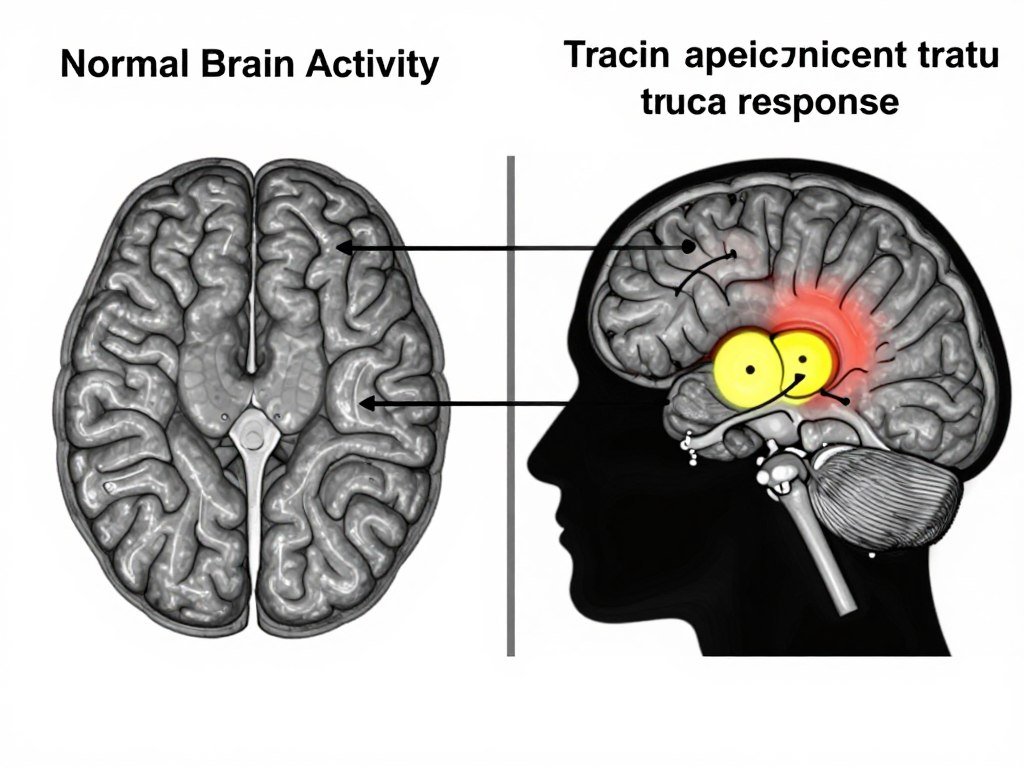
Your brain doesn’t distinguish between digital and physical threats. The amygdala—your brain’s alarm system—activates whether someone threatens you face-to-face or through a screen. This triggers the release of stress hormones like cortisol and adrenaline, preparing your body to fight or flee even when there’s nowhere to go.
For teens, this impact is magnified. Their brains are still developing, particularly the prefrontal cortex that helps regulate emotions and assess risk. This makes them more vulnerable to trauma from cyberbullying. When a developing brain repeatedly experiences stress from online harassment, it can create lasting changes to how that brain processes social interactions and threats.
Download our free guide to recognizing the signs of tech trauma in teens and learn how to start the conversation about online experiences.
Traditional bullying typically ends when a child leaves school. Cyberbullying follows them everywhere. Messages arrive at dinner, during family time, late at night, and first thing in the morning. This constant accessibility means there’s no safe haven—nowhere to escape and recover from the stress.
Research shows that this 24/7 nature of cyberbullying creates a state of hypervigilance. Teens begin to fear every notification, constantly checking their devices while simultaneously dreading what they might find. This persistent state of alarm takes a severe toll on their nervous system.

When bullying happens online, the audience can be enormous. A humiliating photo or comment can reach hundreds or thousands of people within hours. This massive exposure intensifies feelings of shame and helplessness. The public nature of cyberbullying means that private moments become public entertainment.
The permanence of digital content adds another layer of trauma. Even after posts are deleted, screenshots may continue to circulate. This creates a sense that the humiliation will never end—a key factor in developing trauma responses.
Cyberbullying often targets core aspects of identity. Teens face harassment based on their race, gender identity, sexuality, religion, or body image. This type of bullying strikes at the foundation of who they are, making it particularly damaging to developing self-concept.
When teens are repeatedly attacked for fundamental aspects of their identity, they may internalize negative messages. This can lead to shame, self-hatred, and a fractured sense of self—all hallmarks of psychological trauma.

The psychological impact of cyberbullying extends far beyond temporary upset feelings. Research shows that victims experience significant mental health challenges that can persist long after the harassment ends.
Anxiety and depression rank among the most common effects. Studies reveal that 93% of cyberbullying victims report feelings of sadness, hopelessness, and powerlessness. This isn’t just feeling blue—it’s clinical depression that interferes with daily functioning, sleep, appetite, and the ability to experience joy.
Self-harm and suicidal ideation represent the most serious consequences. Teens who experience cyberbullying are 50% more likely to consider suicide than their non-bullied peers. The relentless nature of online harassment can create a sense that there’s no escape, leading to desperate thoughts.
Social withdrawal often follows cyberbullying experiences. Teens may avoid social situations, both online and offline, fearing further rejection or humiliation. This isolation removes crucial social support exactly when they need it most.
Low self-esteem and emotional dysregulation become common as teens internalize negative messages. They may struggle to manage their emotions, experiencing intense mood swings, irritability, or emotional numbness—all symptoms of trauma.
“When online spaces become unsafe, a teen’s sense of the world — and themselves — can shift permanently. The digital landscape becomes a minefield rather than a place for connection and growth.”
Dr. Sarah Williams, Digital Wellness Expert
Trauma symptoms like nightmares, flashbacks, hypervigilance, and dissociation may develop. Many teens report intrusive thoughts about cyberbullying incidents, becoming startled easily, or feeling detached from their surroundings—classic signs of post-traumatic stress.

Access our directory of mental health professionals specializing in cyberbullying trauma and digital wellness for teens.
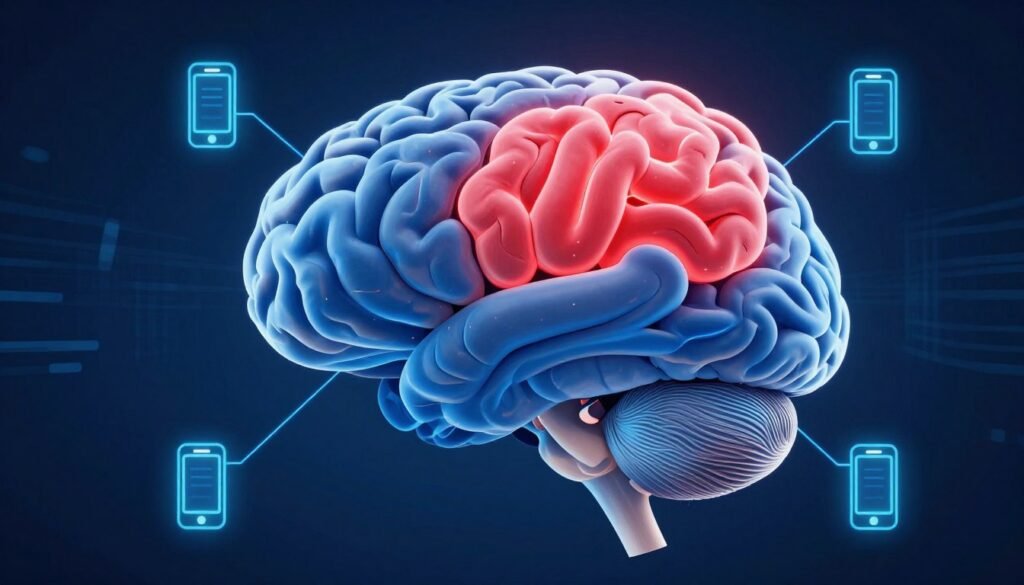
Tech trauma creates measurable changes in brain function and structure. Neuroimaging studies show that cyberbullying victims experience similar brain patterns to those with other forms of trauma.
The amygdala—responsible for processing emotions, especially fear—becomes overactive in trauma victims. This heightened sensitivity means even minor stressors can trigger intense emotional responses. Meanwhile, the prefrontal cortex, which helps regulate emotions and make rational decisions, shows decreased activity.
Teens are particularly vulnerable to these neurological changes. Their brains are still developing, with the prefrontal cortex not fully mature until the mid-20s. When trauma occurs during this critical development period, it can create lasting patterns in how the brain processes stress and social interactions.
The similarities to PTSD are striking. Cyberbullying victims show hyperarousal (being constantly on edge), intrusive thoughts about the traumatic events, and avoidance behaviors. Their brains remain in a state of high alert, scanning for threats even in safe environments.
Recognizing the signs of cyberbullying trauma early can make a significant difference in recovery outcomes. Parents, teachers, and clinicians should watch for these warning signs:
| Sign | Description |
| Avoiding devices | Suddenly no longer using phone/social apps or showing anxiety when receiving notifications |
| Mood swings | Irritability, sadness, or emotional outbursts after spending time online |
| Sleep disruption | Nightmares, insomnia, or excessive sleeping linked to online stress |
| Declining school performance | Trouble focusing, dropping grades, or reluctance to attend school |
| Physical complaints | Headaches, stomachaches, or other physical symptoms without medical cause |
| Social withdrawal | Pulling away from friends and family, avoiding social situations |
| Changes in eating patterns | Significant increase or decrease in appetite |
| Self-deprecating comments | Making negative statements about themselves that echo cyberbullying content |

Download our Digital Safety Checklist with actionable steps to create safer online experiences for teens.
Open communication forms the foundation of supporting teens through cyberbullying experiences. Create regular opportunities for conversation without pressure or judgment. Ask open-ended questions about online experiences, and listen more than you speak.
Avoid reactions that might shut down communication. Many teens fear losing device access if they report cyberbullying, so make it clear that coming to you won’t result in punishment. Validate their feelings by acknowledging that online harassment causes real pain.

Professional help makes a significant difference for teens experiencing tech trauma. Trauma-informed therapy approaches like Cognitive Behavioral Therapy (CBT) and Eye Movement Desensitization and Reprocessing (EMDR) show excellent results for cyberbullying-related PTSD.
School counselors often serve as first-line support. They can provide immediate help and connect families with appropriate resources. Digital wellness coaches specialize in healthy technology use and can help teens rebuild positive online experiences.
Group therapy offers unique benefits by connecting teens with peers who understand their experiences. This reduces isolation and normalizes their reactions to cyberbullying.
Helping teens establish healthy digital boundaries provides essential protection. Teach them to use platform tools like muting, blocking, and reporting to curate safer online spaces. Review privacy settings together to limit who can contact them.
Promote balanced device use without imposing total bans, which can increase isolation. Instead, work together to establish tech-free times and spaces. Encourage offline activities that build confidence and provide relief from digital stress.

Addressing cyberbullying requires both individual and systemic approaches. School anti-cyberbullying programs show promising results when they combine education, empathy building, and clear reporting procedures. The most effective programs involve students in developing solutions and creating peer support networks.
Technology platforms play a crucial role through reporting tools, content moderation, and parental controls. Advocate for stronger protections by providing feedback to platforms about their safety features and supporting organizations that push for better digital safeguards.
Mental health support embedded in digital platforms represents an emerging solution. Some apps now include wellness features, crisis resources, and tools that detect potential harassment. Supporting these innovations helps create safer digital environments for all teens.

Cyberbullying isn’t just “mean comments online”—it creates real, lasting trauma that affects teen development and mental health. The digital nature of this harassment doesn’t diminish its impact. In fact, the permanence, public nature, and 24/7 accessibility of cyberbullying can make its psychological effects even more profound than traditional bullying.
Recognizing tech trauma as legitimate psychological injury represents the first step toward effective intervention. By understanding the neurological impact, identifying warning signs early, and implementing supportive strategies, we can help teens recover from cyberbullying experiences and develop healthier relationships with technology.
As parents, educators, and clinicians, our approach to cyberbullying must evolve beyond simple monitoring or device restrictions. Creating open communication, teaching digital boundaries, and advocating for systemic changes all contribute to safer online experiences for teens.

Assess your current approach to teen tech safety and communication with our interactive evaluation tool.