Quick answer: Altitude illness usually begins above about 2,500 meters and is driven by how fast you ascend rather than how fit you are. Headache is the cardinal early symptom. The reliable treatment is descent; medication buys time but does not replace it.
Acute mountain sickness affects roughly a quarter to just over 40% of people ascending to between 2,500 and 4,300 meters, and more than 60% of those going above 6,000 meters (StatPearls). It is uncommon below 2,500 meters, though susceptible people have developed it as low as 2,000. With millions of visits each year to Colorado, the Alps and the Andes, understanding what elevation does to the body is worth a few minutes before you book.
High elevations create unique challenges. Reduced oxygen levels trigger physiological changes that can disrupt even healthy individuals. From mild headaches to severe breathing difficulties, these effects demand attention.
This guide covers how gradual acclimatization prevents complications, why some people adapt better than others, and what to do if symptoms start. Updated guidelines from leading health organizations inform every recommendation.
Key Takeaways
- Gradual ascent remains the most effective prevention method
- Hydration and paced activity reduce symptom severity
- Pre-existing conditions significantly increase vulnerability
- Children and seniors require special monitoring
- Immediate descent proves crucial in emergency situations
Introduction to High-Altitude Environments
Mountains aren’t just scenic—they’re ecosystems where physics reshapes human biology. Locations like Colorado’s Breckenridge Ski Resort (9,600 feet) and Lhasa, Tibet (11,975 feet) exemplify high-altitude zones where visitors face unique atmospheric challenges. At these elevations, every breath delivers less fuel to the body.
Thin Air, Big Changes
Barometric pressure drops as elevation rises. For every 1,000-foot gain, pressure decreases 3-4%. This means oxygen molecules spread farther apart—at 18,000 feet, air contains 50% less oxygen than sea level. Your lungs work harder, but blood oxygen saturation can still plummet below 85% (normal is 95-100%).
Weather’s Double Threat
High-altitude weather amplifies risks:
- Temperature swings: Thin air holds less heat—nighttime drops of 40°F occur in deserts like Atacama
- UV exposure: ultraviolet radiation intensifies with elevation, and snow reflects much of it straight back at you
- Dry air: Humidity levels below 10% accelerate dehydration
These conditions strain the body while masking thirst and fatigue. Symptoms typically appear 6 to 12 hours after ascending above 2,500 meters, and headache is usually the first of them (StatPearls). Recognizing the environment you are walking into helps you prepare for it.
Physiological Responses to High Altitude
When ascending beyond 8,000 feet, your physiology rewires itself within hours. Two critical systems—breathing and blood chemistry—initiate survival mechanisms that determine how well you function in oxygen-thin environments.
Breathing Faster, Smarter
Low oxygen triggers hyperventilation within minutes of arrival. Breathing harder raises the oxygen reaching your blood but blows off carbon dioxide, which is why some people feel dizzy or notice tingling fingers early on. Over the next day or two the kidneys excrete bicarbonate to compensate, and the adjustment reaches close to its full effect after about four to seven days at a steady elevation (StatPearls).
How strongly any individual responds to low oxygen varies considerably, and it is not predictable from fitness or experience. Sleep is often where it shows first: breathing at altitude commonly becomes periodic overnight, which is part of why people wake feeling worse than when they went to bed.
Blood’s Silent Transformation
Alongside the renal adjustment described above, bone marrow steadily increases red blood cell production — a slower change that continues for weeks rather than days.
More red cells mean more hemoglobin to carry what little oxygen is available. Alongside it, 2,3-BPG rises in the red cells and shifts hemoglobin’s binding affinity so oxygen is released more readily to tissue. Daily tasks feel easier once the respiratory and renal adjustments settle.
Understanding Altitude-Related Illness and Infections
Ever wonder why some travelers thrive at high elevations while others struggle? Altitude-related illness means bodily disruption caused by low oxygen at elevation, rather than by any infection. Unlike routine sicknesses, these conditions stem directly from environmental stress rather than pathogens.
Mountain sickness differs from general travel illnesses. A sea-level cold might cause fatigue, but acute mountain sickness (AMS) triggers pounding headaches and nausea due to oxygen deprivation. Climbers on Denali or trekkers in Nepal often report these distinct symptoms within 12-24 hours of ascent.
Three things drive vulnerability: how fast you ascend, how high you sleep, and what you bring with you. A previous episode of altitude sickness at least doubles your chance of another one, and strenuous exertion in the first days makes it likelier (StatPearls). Pre-existing heart or lung conditions warrant a conversation before you travel rather than after.
These conditions divide into acute and chronic forms. Immediate threats like AMS resolve with descent, while prolonged stays above 13,000 feet may trigger chronic mountain sickness—a blood disorder affecting long-term residents. Recognizing this spectrum helps travelers prepare effectively for elevation changes.
Types of Altitude Illness
These conditions form a spectrum, from a headache that spoils an afternoon to organ-threatening emergencies that require immediate descent.
Acute Mountain Sickness (AMS)
Symptoms resemble a bad hangover:
- Throbbing headaches resistant to painkillers
- Persistent nausea or vomiting
- Dizziness and fatigue worsening with activity
Above 6,000 meters, more than 60% of people are affected (StatPearls). Symptoms typically emerge 6 to 12 hours after arrival.
| Condition | Key symptoms | Typical onset |
|---|---|---|
| AMS | Headache plus nausea, fatigue, poor sleep | 6–12 hours after ascent |
| HACE | Confusion, unsteady walking | Usually after AMS, 1–4 days |
| HAPE | Breathlessness at rest, cough | 2–4 days at altitude |
AMS affects roughly 25–43% of people ascending to 2,500–4,300 m (8,200–14,100 ft), and more than 60% above 6,000 m. HACE and HAPE are far less common but far more dangerous (StatPearls).
High-Altitude Cerebral Edema (HACE) and Pulmonary Edema (HAPE)
When AMS escalates, fluid leaks into brain tissue (cerebral edema) or lungs (pulmonary edema). HACE causes loss of coordination and hallucinations. HAPE produces pink frothy sputum and extreme breathlessness.
Both HACE and HAPE are uncommon but can be fatal within hours if untreated. Immediate descent and supplemental oxygen remain critical interventions.
Recognizing Symptoms of Acute Mountain Sickness
Spotting early warning signs separates manageable discomfort from dangerous health crises. Let’s examine how AMS announces its arrival and why accurate identification matters.
Tell-Tale Indicators and Timing
Acute mountain sickness almost always begins with headache — it is the cardinal symptom. Nausea, poor appetite, fatigue, dizziness and disturbed sleep follow. Symptoms typically surface within 6 to 12 hours of arriving at a higher elevation.
| Symptom | How often |
|---|---|
| Headache | The cardinal symptom — diagnosis without it is unusual |
| Nausea or poor appetite | Common |
| Fatigue and dizziness | Common |
| Disturbed sleep | Common, often the first night |
Sleeping altitude matters more than the highest point you reach during the day — a fact worth planning around, because it is the single most useful lever most travelers have (StatPearls). Oxygen saturation falls during sleep, which is why so many people feel worst on waking.
Diagnostic Dilemmas
Distinguishing AMS from dehydration or infections challenges even seasoned clinicians. Migraine sufferers might mistake symptoms, while gastrointestinal issues mimic nausea. Diagnosis uses the Lake Louise Scoring System, which combines self-assessment with physical checks.
Pulse oximetry is useful but not decisive — a reading above 85% does not rule out AMS. If a headache persists at rest above 2,500 meters, treat it as altitude illness until shown otherwise. Acting early is what stops mild cases becoming serious ones.
What the guidelines actually recommend
What separates successful high-altitude adventures from medical emergencies? Published guidance is clearer on this than most travel advice. The guidance below follows the Wilderness Medical Society 2024 recommendations and the published epidemiology.
Acclimatization Techniques and Guidelines
Staged ascent is the cornerstone of adaptation (StatPearls). Above 8,000 feet the practical rules are:
- Add a rest day every 1,000 m (3,300 ft) gained, or every 3 to 4 days
- Sleep no more than 500 m (1,640 ft) above the previous night
Acetazolamide speeds acclimatization by stimulating breathing. The usual prophylactic dose is 125 mg twice daily, started a day or two before ascent and continued during the climb (Wilderness Medical Society 2024 guidelines). It accelerates adjustment rather than masking symptoms.
Research-Based Recommendations
Dexamethasone is used for both prevention and treatment of severe symptoms; 4 mg every six hours is the standard regimen for high-altitude cerebral edema (Wilderness Medical Society 2024 guidelines). It is never a substitute for descent.
The “climb high, sleep low” approach works because sleeping altitude drives risk more than the highest point reached during the day. Red blood cell production also rises over longer stays, a slower adaptation that continues for weeks. Stays of several days above 13,000 feet drive that change hardest, and it is what makes prolonged exposure more tolerable than the first night.
Risk Factors for Altitude Illness
Your journey’s safety above 8,000 feet hinges on recognizing personal and environmental dangers. The rate of ascent is the single most significant modifiable risk factor — more than fitness, more than equipment, more than anything else you can control (StatPearls). Three elements dominate this equation: how fast you climb, how high you go, and what your body brings to the mountain.
Speed Matters More Than Fitness
Fitness is not protective here, and neither is being young. What matters is the schedule:
- Sleep no more than 500 m (1,640 ft) above the previous night
- Add a rest day every 3 to 4 days on multi-day climbs
- Avoid direct flights to elevations above 11,500 feet
| Ascent pattern | Risk |
|---|---|
| Sleeping altitude rising by ≤500 m (1,640 ft) per day above 3,000 m (10,000 ft), with rest days | Lowest |
| Faster gains without rest days | Higher |
| Flying or driving straight to high elevation | Highest |
Rate of ascent is the most significant modifiable risk factor (StatPearls).
Your Biological Blueprint
Individual susceptibility varies and is only partly explained by anything measurable beforehand. The most useful predictor is your own history: a previous episode at least doubles the odds of another (StatPearls).
- Asthma and other chronic lung disease make altitude harder to tolerate
- Untreated sleep apnea worsens overnight oxygen levels
- Prior altitude illness episodes double recurrence likelihood
A pre-travel assessment that combines your medical history with the actual climb profile is the practical step here — particularly if you have heart or lung disease, or have had altitude illness before.
Preventive Strategies for Altitude Illness
Smart preparation separates successful mountain adventures from medical emergencies. This guide sets out what the evidence supports on preventing altitude illness, and where it runs out.
Mastering the Climb Rhythm
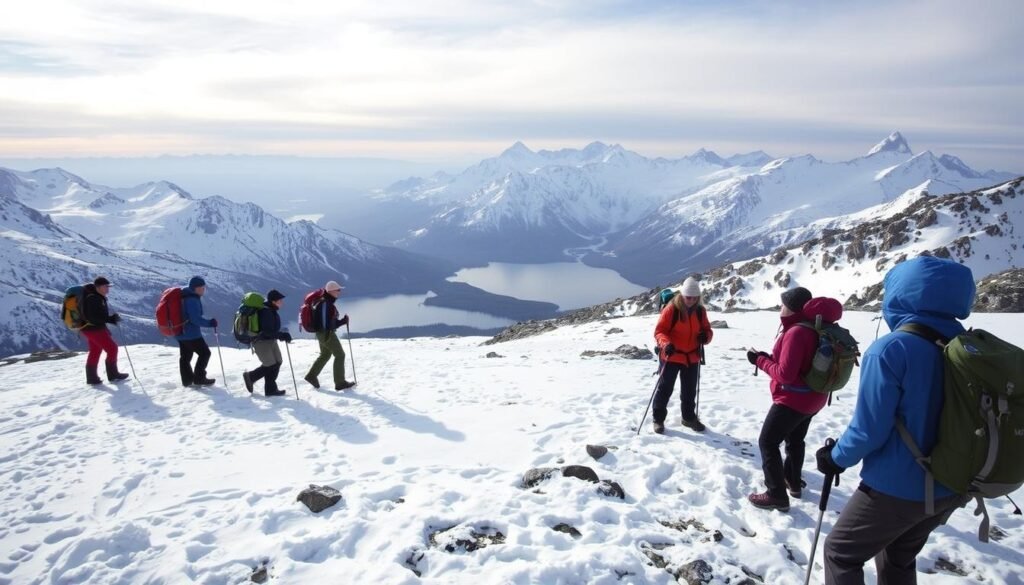
Above 3,000 meters, increases in sleeping altitude should not exceed 500 meters per day, with a rest day every 3 to 4 days or every 1,000 meters of gain (StatPearls). Sleeping altitude drives risk more than the highest point you reach during the day.
- Sleep no more than 500 m (1,640 ft) above the previous night
- Add a rest day every 3 to 4 days, or every 1,000 m (3,300 ft) gained
- Drink to thirst and keep up with losses — dry air increases fluid loss through breathing
Strategic Medication Use
The usual prophylactic dose is 125 mg twice daily, begun a day or two before ascent (Wilderness Medical Society 2024 guidelines).
- Accelerates acclimatization by stimulating breathing
- Helps maintain blood oxygen levels during sleep
- Works best when combined with staged ascents
Dexamethasone is an emergency treatment, not a preventive. Medication is a backup rather than a substitute for sensible pacing: gradual ascent and adequate rest do more to prevent altitude illness than any drug.
Treatment Options and Management Strategies
Effective care at elevation requires swift action and science-backed solutions. Treatment combines medication with supplemental oxygen to address the oxygen deficit while vital signs are stabilized.
Medication Protocols
Acetazolamide speeds acclimatization by stimulating breathing rather than masking symptoms. The usual prophylactic dose is 125 mg twice daily.
Dexamethasone serves as emergency treatment for severe cases. The standard regimen is 4 mg every six hours for cerebral edema. Unlike acetazolamide, it doesn’t aid adaptation—use it only when descent isn’t immediate.
Oxygen Solutions
Supplemental oxygen raises blood saturation quickly and buys time. Portable tanks deliver oxygen via nasal cannula. Where descent is impossible, a portable hyperbaric bag simulates lower elevation by raising the pressure around the patient.
| Treatment | Use Case | Key Benefit |
|---|---|---|
| Acetazolamide | Prevention | Speeds acclimatization |
| Dexamethasone | Emergency HACE | Reduces brain swelling |
| Oxygen Therapy | Moderate AMS | Raises blood oxygen quickly |
| Hyperbaric Bag | No descent option | Simulates a descent |
Descent, oxygen and medication are what change outcomes, and applying them promptly matters more than agonizing over which to reach for first.
Special Considerations for Infections at High Altitudes
At high elevations, even minor infections can spiral into serious health threats. Reduced oxygen levels strain the body’s defenses, creating a perfect storm for complications. Pneumonia is mistaken for altitude sickness more often than you would expect, and that error costs time when hours matter.
When Pathogens Meet Thin Air
Arriving at altitude with an active respiratory infection is worth taking seriously, since it adds a further burden to gas exchange at a point when the body is already stretched.
Pre-existing conditions multiply these risks. Asthma and other chronic lung conditions are harder to manage at altitude, and diabetes slows wound healing through poorer circulation. Elevation is what turns an otherwise manageable condition into an emergency.
| Symptom | Altitude Sickness | Infection |
|---|---|---|
| Headache | Common | Possible |
| Fever | Rare | Frequent |
| Cough | Dry (HAPE) | Productive |
| Edema | Lungs/Brain | Localized |
Portable hyperbaric chambers simulate descent and are useful where immediate descent is impossible, but they are a bridge to descent rather than a replacement for it.
Proactive steps save lives:
- Get pre-travel vaccinations
- Monitor oxygen saturation daily
- Seek care for fevers above 100.4°F
Altitude doesn’t cause infections—but it magnifies their risk. By recognizing this interplay, travelers can adapt their prevention strategies and respond faster when conditions change.
Conclusion
Smart preparation and quick response turn high-altitude challenges into rewarding adventures. Proper acclimatization remains your strongest defense against complications, with medications like acetazolamide accelerating natural adaptation. When headache or nausea strike, prioritize immediate descent to lower elevations—delays risk life-threatening conditions.
Three rules carry most of the benefit: limit daily elevation gain, take symptoms seriously early, and know your descent plan before you need it. Watch for symptoms daily, and carry emergency oxygen if you will be far from help. Dexamethasone serves as critical backup for severe cases but never replaces cautious planning. Staged ascent and adequate hydration prevent the large majority of altitude illness. Neither is complicated; both are routinely skipped when an itinerary is tight.
If you have heart or lung disease, or have had altitude illness before, a pre-travel consultation is worth the appointment. Prevention is easier to plan than to improvise at 12,000 feet.
FAQ
What are the first signs of acute mountain sickness?
Early symptoms include headache, fatigue, nausea, and dizziness. These often appear 6–12 hours after reaching high elevations. Unlike regular travel fatigue, AMS symptoms worsen with activity and improve with rest or descent.
How does rapid ascent increase altitude illness risk?
Climbing too quickly prevents your body from adapting to lower oxygen levels. Above about 10,000 feet, sleeping altitude should not rise by more than about 500 m (1,640 ft) per day, with a rest day every 3 to 4 days (StatPearls). This “climb high, sleep low” approach reduces fluid buildup in tissues.
Can medications completely prevent altitude sickness?
No. Acetazolamide helps many people and speeds acclimatization, but it is not foolproof and does not remove the need for gradual ascent. Nothing prevents altitude illness reliably except climbing slowly enough for your body to adjust.
Why do some people get HAPE while others don’t?
Genetic factors influence lung response to hypoxia. Those with prior HAPE episodes or heart/lung conditions face higher risks. Pulmonary edema develops when blood vessels leak fluid into lungs – often above 14,000 feet.
How does altitude affect existing infections?
Low oxygen weakens immune responses, potentially worsening respiratory infections. Pneumonia can closely mimic HAPE. Always rule out infections before treating altitude issues.
Pre-travel consultation is part of the infectious disease service at Savera in Morgan Hill, California. Dr. Vaid advises which vaccines your destination requires and refers you to a travel clinic to receive them; vaccines are not given at the practice. Dr. Meenu Vaid, MD is board certified in Infectious Disease and Internal Medicine, and sees every patient herself. Pre-travel consultations are available in person and by telehealth across California — book a consultation.
Medically reviewed by Dr. Meenu Vaid, MD, Board-Certified in Internal Medicine and Infectious Disease. Last clinically reviewed on August 3, 2026.
This article is for general educational purposes only and is not medical advice. Reading it does not create a doctor-patient relationship. For emergencies call 911. For crisis support call or text 988. Read our full medical disclaimer.