
Quick answer: In pain therapy, distraction means pulling your attention away from pain to cope in the moment, while redirection, as used in Pain Reprocessing Therapy, means calmly attending to the sensation with a sense of safety so the brain learns the pain is not dangerous. Distraction gives short-term relief; redirection helps rewire the pain response for lasting change.
What the research actually says about distraction
Quick answer: Weaker than most articles on this topic admit. A 2018 meta-analysis of attentional strategies in people with chronic pain found that distraction did not significantly differ from control conditions in changing pain intensity (8 studies, Hedges g = 0.10, not significant), and the same held for sensory monitoring (PubMed). The authors note only 10 studies met criteria at all.
Two things follow. First, be sceptical of any page — including the confident tables you will find elsewhere — that gives you percentage success rates for distraction in chronic pain. That evidence does not exist. Second, distraction is on much firmer ground for acute, short-lived pain, such as a procedure or a needle, which is where most of the positive research sits.
The neuroscience of how attention changes pain is real but less settled than popular accounts suggest; a 2017 review of the neuroimaging work argues the field has been held back by loose definitions of attention itself (PubMed). Treat mechanism claims here, including the ones on this page, as reasonable models rather than established fact.
What if the way you’ve been taught to cope with pain is actually making it worse? Many people reach for quick fixes when pain strikes. They turn on the TV, scroll through their phones, or dive into activities that keep their minds busy. While these pain management strategies might offer brief relief, they often miss a crucial element that could make all the difference.
The truth is that our brains can only handle so much at once. Pain demands significant mental resources, leaving little room for other thoughts. This limited capacity explains why simple distractions work in the short term. Playing video games, listening to music, or even cooking a meal can temporarily push pain to the background. But there’s a deeper approach that goes beyond just looking away.
Cognitive engagement plays a part in how we experience pain. Play therapists in children’s hospitals use relaxation techniques and tablet activities, and that is more than simple distraction. These methods start small and build gradually. A person might begin by focusing on their breathing, move on to learning song lyrics, or take on a board game that needs real concentration.
The key difference lies in how we use our attention. Running from pain through sleep or constant activity differs from consciously directing our focus. One approach avoids the experience entirely. The other acknowledges pain while choosing where to place mental energy. This distinction shapes how effectively we manage discomfort over time.
Key Takeaways
- Pain consumes significant mental resources, limiting our ability to focus on other things
- Simple distractions like TV, music, and games can provide temporary relief from pain
- Cognitive engagement involves more than just avoiding thoughts about pain
- Starting with small, specific activities helps build attention-based pain relief skills
- Non-medicated pain management uses techniques like breathing exercises and relaxation
- The difference between distraction and redirection affects long-term pain management success
Understanding the Fundamental Differences Between Distraction and Redirection in Pain Management
Pain management strategies have evolved beyond simple avoidance techniques. Two primary approaches—distraction and redirection—offer distinct pathways for managing discomfort. While both methods involve attention shifts, their mechanisms and outcomes differ significantly. Understanding these differences helps patients and healthcare providers choose the most effective approach for specific pain conditions.
Defining Distraction as a Pain Management Strategy
Distraction works by diverting attention away from pain signals toward engaging activities or thoughts. When you focus intensely on a puzzle, video game, or conversation, your brain temporarily reduces its processing of pain sensations. This technique relies on our limited attention capacity—the brain can only fully process a certain amount of information at once.
Common distraction methods include:
- Watching movies or television
- Playing games or solving puzzles
- Engaging in conversations
- Listening to music or podcasts
What Makes Redirection More Than Just Looking Away
Redirection fundamentally differs from distraction by acknowledging pain while changing how we relate to it. Instead of avoiding pain signals, redirection involves observing sensations without judgment and shifting focus to body areas that feel comfortable or neutral. This approach engages different neural pathways, creating lasting changes in pain perception.
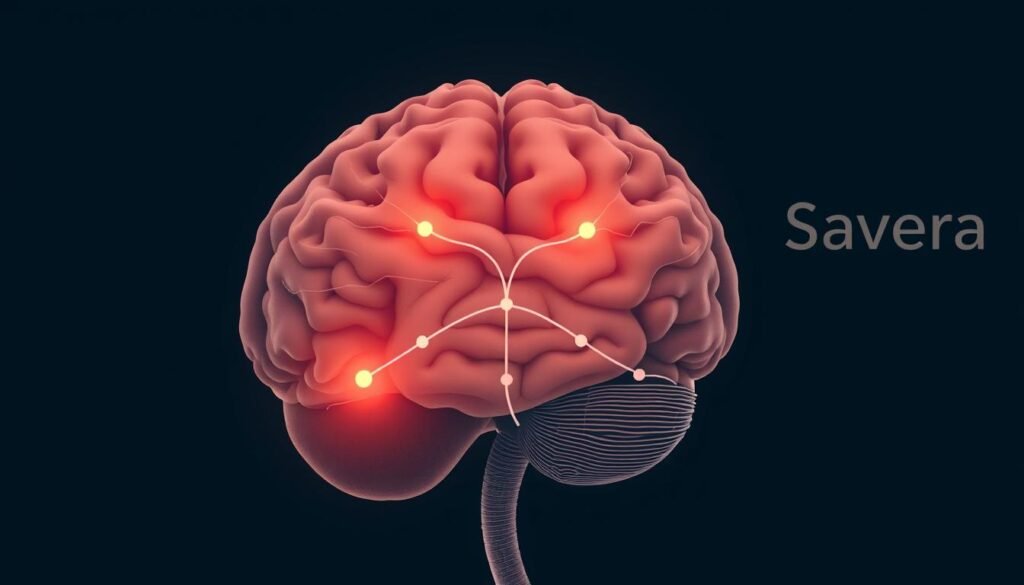
Brain imaging work suggests redirection engages regions linked to self-awareness and emotional regulation, including the prefrontal cortex and the anterior cingulate cortex. Treat that as a working model rather than settled fact. As noted above, this literature is held back by inconsistent definitions of attention itself.
The Role of Attention and Awareness in Both Approaches
Attention functions differently in each strategy. Distraction requires active avoidance of pain awareness, demanding continuous mental effort. This explains why distraction often provides only temporary relief—maintaining avoidance becomes exhausting over time.
Redirection cultivates mindful awareness, teaching the brain to process pain signals differently. By changing your relationship with pain rather than fighting it, redirection may reduce the emotional distress that often amplifies physical discomfort. Whether it outperforms distraction over the long term has not been established in trials.
How Is Redirection Different from Distraction
Pain management strategies vary in their approach and effectiveness. While distraction and redirection might seem similar on the surface, they engage our brains in fundamentally different ways. Understanding when to use distraction versus redirection in pain management requires examining how each method works at the neurological level.
The Neuroscience Behind Each Approach
Distraction works by flooding the brain’s attention system with competing stimuli. When you focus on a complex task or engaging activity, your brain allocates resources away from pain processing. Research shows that high-load cognitive tasks, like complex mental calculations, can reduce pain intensity by occupying working memory.
Redirection takes a different path. Instead of simply occupying attention, it aims to reframe how the brain interprets sensory signals. Imaging studies point to prefrontal regions involved in cognitive reappraisal and emotional regulation, though the picture is far from settled.
Why Distraction Often Provides Only Temporary Relief
Distraction’s effectiveness depends heavily on the intensity of the competing stimulus. Once the distracting activity ends, pain often returns to its original level or even feels worse due to the contrast effect. How long distraction holds depends on how absorbing the task is and how intense the pain is.
How Redirection Engages Different Brain Pathways
Redirection activates neural circuits involved in learning and adaptation. Rather than competing for attention, it teaches the brain new patterns of response. This educational approach to managing responses creates lasting changes in how we process uncomfortable sensations. The brain’s plasticity allows these new pathways to strengthen over time, making redirection increasingly effective with practice.
The Science of Cognitive Engagement and Pain Perception
Our brains have limited resources for processing information, creating a fascinating competition between pain signals and other mental tasks. When we engage in activities that demand our attention, less mental capacity remains available for processing pain. This explains why how pain reprocessing therapy uses redirection instead of distraction creates lasting change rather than temporary relief.
Working memory plays a crucial role in this process. It operates like a mental workspace where we temporarily hold and manipulate information to achieve specific goals. Research shows that when working memory engages with purposeful tasks, pain perception naturally decreases. This forms the foundation for effective pain management strategies that go beyond simple avoidance.
Emotions significantly influence how we experience pain through three key dimensions:
- Pleasure – the pleasantness of our emotional state
- Arousal – the intensity of our feelings
- Dominance – our sense of control over the situation
Positive emotions are associated with lower reported pain, and negative emotions with higher. The brain processes stress and pain in overlapping regions, which is one reason emotional wellbeing and physical discomfort tend to track together. Redirecting attention without avoiding the sensation draws on several of these regions at once.
Why Distraction Alone Isn't Enough for Chronic Pain Management
When dealing with chronic pain, simply diverting your attention elsewhere often falls short of providing lasting relief. Research reveals mixed results with distraction techniques – while some people experience temporary pain reduction, others find no benefit or even report increased discomfort. Understanding why distraction alone isn’t enough for chronic pain management requires examining how our brains process pain signals and the complex relationship between thoughts, emotions, and physical sensations.
The Limitations of Avoidance-Based Strategies
Avoidance strategies like distraction work by shifting focus away from pain signals. Yet chronic pain involves multiple brain regions, including the anterior cingulate cortex and the prefrontal cortex, which makes it resistant to simple attention shifts. When you constantly avoid acknowledging pain, you miss what your body is telling you. That pattern can reinforce fear and anxiety around the sensation, and this cycle helps keep chronic pain going.
When Distraction Can Actually Increase Pain Sensitivity
Paradoxically, relying heavily on distraction can heighten pain sensitivity over time. When we consistently avoid pain signals, our nervous system may interpret this as a threat requiring increased vigilance. This hypervigilance can amplify pain signals, making even minor sensations feel more intense. Learning how to transition from distraction-based to redirection-based pain management involves acknowledging pain without letting it dominate your experience.
The Role of Pain Catastrophizing in Distraction Effectiveness
Pain catastrophising — the tendency to magnify pain’s threat and expect the worst — is one reason attentional strategies work unevenly. If your attention keeps being pulled back to the pain because it feels dangerous, a strategy built on looking away has little to hold on to. That is the gap redirection is designed to close: it works on the judgement that the sensation is dangerous, rather than competing with it for attention.
Rischer’s research revealed that individuals with average to high catastrophizing only benefited from distraction when they possessed strong sustained attention abilities. This finding highlights why distraction alone isn’t enough for chronic pain management – it requires specific cognitive skills that pain itself can impair. Transitioning to redirection-based approaches offers a more sustainable path forward for those struggling with persistent pain.
Understanding When to Use Distraction Versus Redirection in Pain Management
Choosing between distraction and redirection for pain management depends on several factors, including the type of pain, its duration, and individual characteristics. Research involving 39 participants aged 18-30 shows that personal pain sensitivity and cognitive abilities play crucial roles in determining which approach works best.
Acute Pain Scenarios Where Distraction Works Best
Distraction techniques prove most effective for short-term, acute pain situations. Medical procedures like vaccinations, blood draws, or dental work benefit from distraction methods. During these brief experiences, shifting attention away from pain signals provides immediate relief without long-term consequences.
- Medical injections and minor procedures
- Post-surgical recovery periods
- Acute injury management
- Emergency room treatments
Chronic Pain Conditions That Benefit from Redirection
Understanding when to use distraction versus redirection in pain management becomes critical for chronic conditions. Redirection strategies work better for ongoing pain because they teach the brain to process pain signals differently rather than simply ignoring them.
Chronic conditions that respond well to redirection include fibromyalgia, arthritis, and persistent back pain. These conditions require sustainable approaches that address pain processing rather than temporary avoidance.
Individual Factors That Influence Strategy Selection
Personal characteristics shape which approach helps. Pain catastrophising, measured on standardised scales, predicts whether someone is likely to do better with one approach than the other. People with high pain-related fear often need redirection techniques to build confidence and reduce anxiety around pain.
How Pain Reprocessing Therapy Uses Redirection Instead of Distraction
Pain reprocessing therapy takes a fundamentally different approach to managing chronic pain. Rather than teaching patients to avoid or distract from their discomfort, this method focuses on changing how the brain interprets pain signals. The neuroscience behind redirection and distraction in chronic pain treatment reveals why this shift in approach matters.
Recent studies using thermal pain stimulators show fascinating results. Researchers carefully calibrate heat levels to create moderate pain—uncomfortable but not overwhelming. This allows patients to practice redirection techniques while experiencing real discomfort. The key difference lies in engagement versus avoidance.
When patients use redirection, they acknowledge pain without fear or catastrophic thinking. Brain imaging shows different neural pathways activate compared to distraction techniques. Working memory tasks combined with pain exposure demonstrate this clearly. Patients who excel at cognitive tasks while experiencing pain show remarkable improvements—but only when they approach pain with curiosity rather than fear.
The relationship between cognitive abilities and pain reduction proves complex. Those with strong attention control benefit most from redirection techniques. Performance on tasks like the flanker test predicts success with pain reprocessing. This suggests that how pain reprocessing therapy uses redirection instead of distraction depends partly on individual cognitive strengths.
Pain catastrophizing—the tendency to magnify pain’s threat—plays a crucial role. Patients with moderate catastrophizing respond best to redirection approaches. They learn to observe pain sensations without emotional amplification, creating lasting changes in pain perception.
Practical Differences Between Redirection and Distraction Techniques
Understanding the practical differences between redirection and distraction techniques helps you choose the right approach for your pain situation. Each method uses different strategies to manage discomfort, and knowing when to apply them can significantly improve your pain management outcomes.
Common Distraction Methods and Their Applications
Distraction techniques work by shifting your focus completely away from pain. These methods include:
- Cognitive distraction: Counting backwards from 100 by 7s or naming items in alphabetical categories
- Sensory distraction: Listening to music, watching videos, or focusing on pleasant scents
- Social distraction: Engaging in conversations about everyday topics like weather or hobbies
- Physical distraction: Gentle activities like squeezing a stress ball or tapping fingers rhythmically
Redirection Techniques That Build Long-Term Resilience
Redirection approaches teach you how to transition from distraction-based to redirection-based pain management by acknowledging pain while shifting your relationship with it:
- Body scanning: Noticing pain-free areas while acknowledging discomfort without judgment
- Mindful observation: Describing pain sensations neutrally, like “pressure” or “warmth”
- Breath awareness: Using breathing patterns to stay present with discomfort
- Movement meditation: Gentle stretches that explore sensations without avoidance
Combining Both Approaches for Optimal Results
The most effective pain management often combines both strategies. Start with distraction during intense pain episodes, then gradually introduce redirection techniques as intensity decreases. Keep a journal to track which methods work best in different situations. This personalized approach helps you develop a flexible toolkit for managing various pain experiences.
Learning to Redirect Attention from Pain Without Avoiding It
When pain persists, the brain’s ability to manage it depends less on pushing it away and more on engaging with life in meaningful ways. Learning to redirect attention from pain without avoiding it creates lasting changes in how the brain processes discomfort. This approach differs from simple distraction because it acknowledges pain’s presence while choosing to invest energy in activities that matter.
Research shows that when people engage in activities they genuinely enjoy, their brain naturally allocates less processing power to pain signals. The pain doesn’t disappear, but its volume turns down. This shift happens because the brain actively chooses where to direct its resources. Studies using repeated measures analysis found significant differences in both pain intensity and unpleasantness when people practiced cognitive redirection compared to basic distraction.
Redirection is meant to be sustainable. It acknowledges an unwanted sensation while turning attention toward something that matters to you, rather than pushing the sensation away. That difference shows up most clearly in social situations, where genuine engagement moves attention on its own. People with lower pain catastrophising scores appear to benefit most. This is a plausible account of why redirection might hold up better over time, not a proven advantage over distraction.
The key to successful redirection involves:
- Choosing activities that genuinely capture your interest
- Accepting pain’s presence without resistance
- Building capacity to hold multiple experiences simultaneously
- Practicing regularly to strengthen neural pathways
Conclusion
Managing pain without avoiding it requires understanding the key differences between distraction and redirection. Distraction offers quick relief by shifting your focus away from pain. Redirection takes a different path by helping you engage with pain in a constructive way. Both methods have their place in effective pain management strategies, but knowing when to use each one makes all the difference.
Your personal factors play a big role in which approach works best. Your thinking abilities, how you respond to pain, and your attention skills all shape your success with these techniques. Some people find relief through simple distraction methods like watching movies or listening to music. Others need the deeper engagement that redirection provides through mindfulness or somatic tracking.
The most effective pain management strategies often combine both approaches. You might start with basic distraction techniques when pain first appears. As you build confidence, you can add redirection methods to create a complete toolkit. This balanced approach helps you handle both sudden pain flare-ups and long-term chronic conditions.
Managing pain without avoiding it becomes possible when you match the right technique to your specific situation. Understanding these differences empowers you to create a personalized pain management plan. With practice and the right guidance, you can move beyond temporary fixes to build lasting resilience against pain.
FAQ
Is redirection better than distraction for long-term pain relief?
That has not been settled. Redirection engages with pain by changing your relationship to it. Distraction moves attention away for a while. The idea that redirection lasts longer is a reasonable model, but head-to-head trials in chronic pain are scarce, and as the research section above sets out, the pooled evidence for distraction itself is weak. Be cautious with any page that offers success rates for either approach.
How do I know when to use distraction versus redirection?
Distraction works best for short, acute pain such as a medical procedure or a temporary injury. Watching something, playing a game, or taking on a mental task can dull pain for a while. Redirection suits chronic pain better, where constant avoidance can make sensitivity worse over time. Personal factors matter too, including how much you catastrophise about pain.
What is the neuroscience behind redirection and distraction in chronic pain?
Imaging work suggests the two engage different systems. Distraction appears to involve the primary somatosensory cortex and the insula, with the emotional side involving the anterior cingulate cortex. Redirection is thought to change how the brain interprets pain signals rather than competing for attention. A 2017 review argues this field is held back by loose definitions of attention, so treat all of this as a working model rather than established fact.
Why is distraction alone not enough for chronic pain?
Attention is limited, so distraction sets up a competition between pain and whatever else you are doing. The pain signals are still there. Research shows conflicting outcomes: some studies report relief, others find no effect, and some find pain feels worse. People who catastrophise about pain tend to respond less well, and leaning on avoidance can heighten sensitivity over time.
How can I move from distraction to redirection?
Build awareness of the pain gradually, without immediately trying to escape it. Start with distraction techniques you already like, then add methods that engage with the sensation rather than push it away. Keep a short list of what works in which situation and practise regularly. Most people end up using both: distraction for immediate relief, redirection for the longer haul.
What are the practical differences between the two techniques?
Distraction includes mental tasks such as counting backwards, sensory activities such as a body scan, listening to music you enjoy, and talking to someone. Redirection means observing the sensation without judging it, changing what you take it to mean, and staying engaged with things you value even while it is there. Distraction aims to move awareness away from pain. Redirection keeps the awareness and changes the response.
How does Pain Reprocessing Therapy use redirection?
PRT teaches you to reinterpret pain signals as non-threatening rather than avoid them. It uses redirection by helping you observe pain with curiosity rather than fear, on the understanding that chronic pain can persist through an overactive threat response rather than ongoing tissue damage. Unlike distraction, which diverts attention for a while, PRT aims to change how the brain interprets those signals.
Can I redirect attention from pain without avoiding it completely?
Yes. Redirecting attention means acknowledging the pain while choosing where to put your energy. It takes practice to stay aware of the sensation without being overwhelmed by it. Useful techniques include mindful observation, reframing what the pain means, and staying involved in things that matter to you while accepting that the pain is present. The goal is to reduce its emotional weight and its interference with daily life, not to stop noticing it.
Medically reviewed by Dr. Meenu Vaid, MD, Board-Certified in Internal Medicine, Infectious Disease, and Addiction Medicine, with Advanced Training in Pain Reprocessing Therapy. Last clinically reviewed on August 2, 2026.
This page is for educational purposes only and does not constitute medical advice. Reading it does not create a doctor-patient relationship. For emergencies, call 911. For crisis support call or text 988. Read our full medical disclaimer.