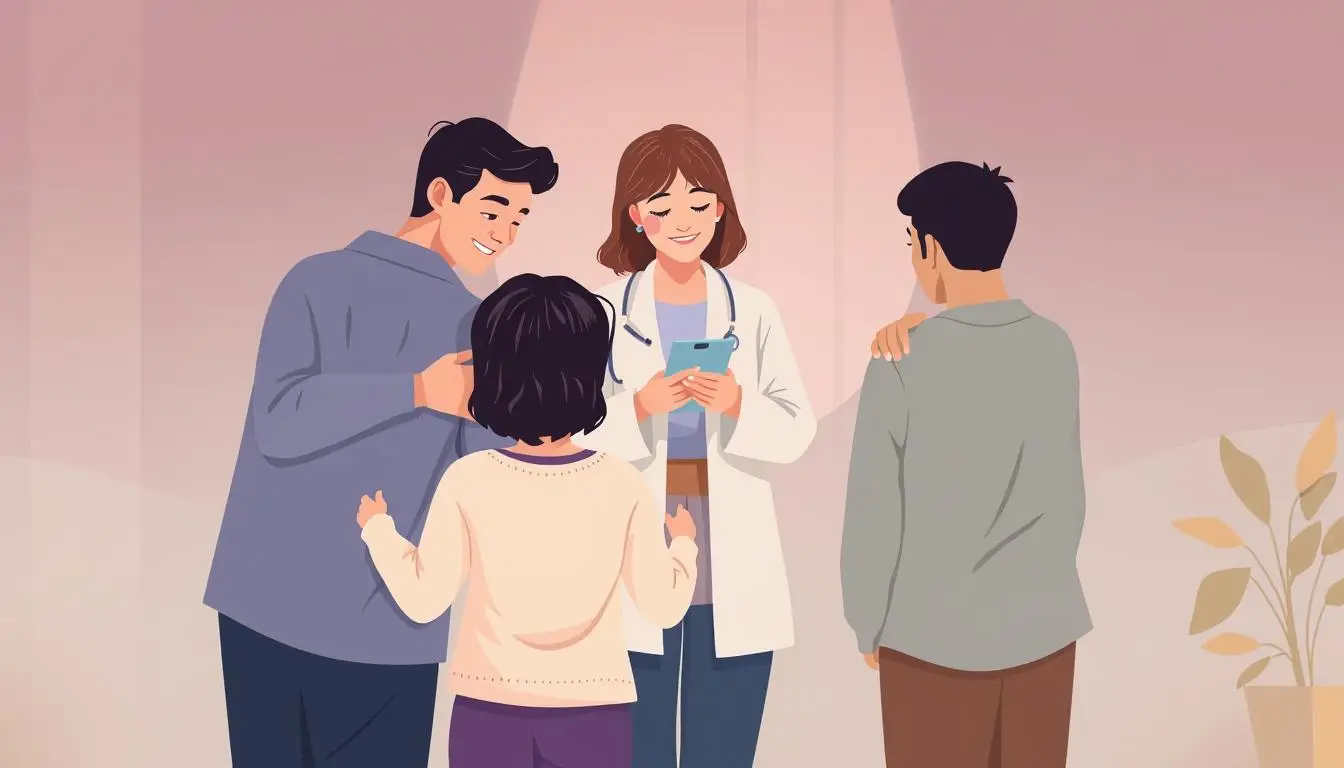
Quick answer: You can support a loved one with addiction by leading with compassion instead of judgment, learning about the disease, setting healthy boundaries, and encouraging professional treatment without trying to control the outcome. Looking after your own wellbeing matters just as much, and remember you cannot force someone to change.
“Substance use disorder is a family disease. One person may use, but the whole family suffers.” – Dr. Gabor Maté’s words show how substance use disorders hurt families in the U.S.
Nearly 20 million people and their families deal with substance use disorders every year. When someone you love has substance use disorder, it can feel very hard and lonely. Your help can be the key to their recovery.
Substance use disorder is not a choice or a moral failing. It’s a complex brain disease needing understanding, compassion, and support. As a family member, you play a big role in helping your loved one get treatment and stay on the path to recovery.
Key Takeaways
- Substance use disorders affect entire families, not just the individual
- Family support significantly increases treatment engagement
- Compassion and understanding are essential in substance misuse recovery
- Professional resources and support groups are available
- Recovery is a collaborative journey involving family and loved ones
Understanding Substance Use Disorder as a Brain Disease, Not a Moral Failure

Substance use disorder is a complex medical condition that affects millions of Americans. It challenges the outdated notion that it stems from personal weakness. Recovery needs a compassionate approach. It must recognize the profound neurological impact of substance use disorders.
The Science Behind Addictive Behaviors
Your brain’s chemistry is key in substance use disorder. Substance use disorder changes neural pathways. This creates powerful biological drivers that go beyond simple choice or willpower.
Research shows that more than 19 million adults in the U.S. have experienced a substance use disorder. This highlights the widespread nature of this complex health challenge.
Common Misconceptions About Substance Use Disorders
- Myth: Substance use disorder is a choice
- Reality: It’s a chronic brain disease affecting decision-making processes
- Myth: People can overcome a substance use disorder through willpower alone
- Reality: Professional support is key for lasting recovery
Impact on Brain Chemistry and Decision-Making
Understanding enabling vs. supporting means seeing the neurological roots. Only 1 in 10 individuals with substance use disorders see it as a progressive, potentially fatal disease. This lack of awareness leads to ineffective treatment and harmful stigmas.
Substance use disorder is a medical condition needing compassionate, scientific help—not judgment.
By seeing substance use disorders as treatable health issue, you can help your loved ones. They can navigate their recovery journey with empathy and evidence-based support from substance use disorders medicine professionals.
Recognizing the Signs of Substance Use Disorder in Your Loved One
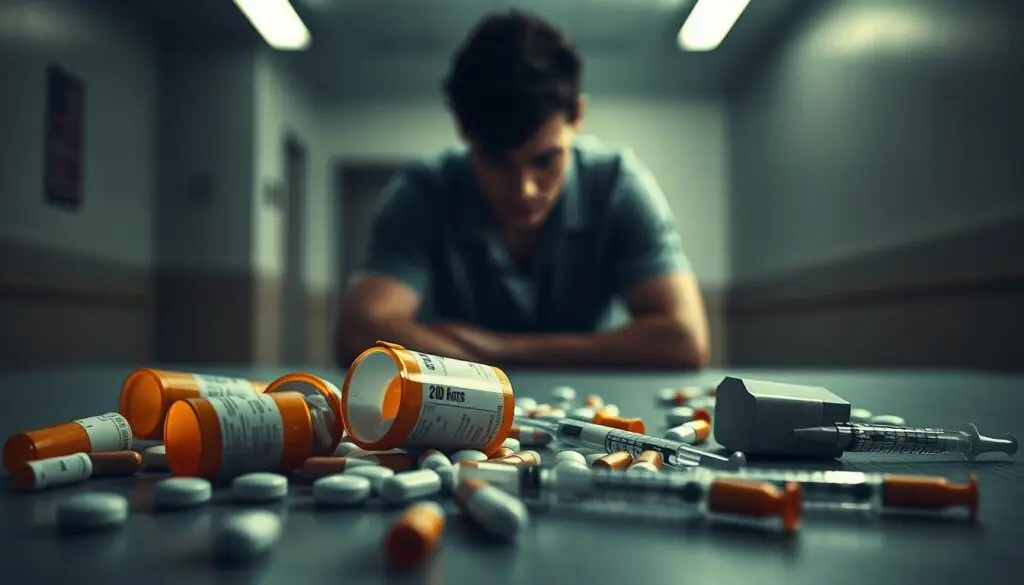
Finding out if someone uses substances can be hard. But spotting early signs is key to helping them. About 19.7 million adults in the U.S. face substance use disorders. So, knowing the signs is more vital than ever.
Some signs of possible substance misuse include:
- Sudden changes in social circles
- Unexplained financial troubles
- Big drops in work or school performance
- Increased secrecy and being defensive
- Ignoring personal care and looks
Physical signs can also hint at substance use. Look for sudden weight changes, bloodshot eyes, odd sleep patterns, or unexplained injuries. These signs might mean there’s a problem that needs help and care.
Talking about substance use needs care. Know what to say and what not to say. Be kind and avoid blaming. Show you care and want to help, not make them feel attacked.
Remember, substance use disorder is a complex health condition, not a moral failing.
Acting early, before use is entrenched, gives treatment its best chance of working. By spotting these signs and being understanding, you can help your loved one find their way back.
How to Support a Loved One Living with a Substance Use or Behavioral Condition
Supporting a loved one with substance use disorders needs kindness, patience, and a smart plan. Most people with a substance use disorder never receive treatment, so your support can change the odds.

To help, start by making a safe space for open talks. Your help is key in guiding them to get professional help and through tough recovery times.
Creating a Safe Space for Open Communication
Good support begins with real talks. Here are some tips:
- Listen without criticizing or lecturing
- Express your concerns with empathy
- Avoid blaming or shaming language
- Validate their feelings and experiences
Offering Practical Assistance and Resources
Helping in practical ways can really help their recovery. Here are some ways to assist:
| Type of Support | Specific Actions |
|---|---|
| Research | Look into treatment options and support groups |
| Emotional | Go to therapy or support meetings together |
| Logistical | Help with scheduling appointments and getting there |
Supporting Their Treatment Journey
Recovery is not a straight line. Your steady support can greatly help their chance of staying sober. Family involvement is one of the better-supported factors in sustained recovery.
“Recovery is a process. A change of habits. A critical journey of self-discovery.” – Unknown
Remember, helping them find professional help is a team effort. Be patient, keep hope alive, and focus on their recovery and yours too.
Setting Healthy Boundaries While Maintaining Compassion
Supporting a loved one with substance use disorders means setting boundaries with care. This is key for your mental health and their recovery. Finding the right balance is important.
First, understand codependency to build healthy relationships. Experts say boundaries help create a supportive space for growth and healing.
- Protect your emotional well-being
- Communicate limits clearly and compassionately
- Avoid enabling destructive behaviors
- Maintain realistic expectations
Here are some ways to set compassionate boundaries:
| Boundary Type | Implementation |
|---|---|
| Emotional | Refuse to engage during substance-influenced conversations |
| Financial | Stop providing money that enables substance use disorder |
| Personal Space | Create safe living spaces without substance use |
Remember, setting boundaries is an act of love. People in recovery often say afterwards that clear, caring limits helped more than leniency did. Your support can change lives when done with understanding.
The Role of Family in Addiction Recovery
When a loved one struggles with substance use disorders, the whole family is on the healing path. Family support is key to successful recovery. It turns challenges into chances for growth and reconnecting.
Substance use disorders affect not just the person but the whole family. It’s important to understand these complex dynamics for effective help.
Understanding Family Dynamics
Families dealing with substance use disorders face big emotional and psychological hurdles. Family members frequently fall into roles that make recovery harder without ever intending to.
- Recognize unhealthy communication patterns
- Identify individual emotional responses
- Learn to support without enabling
Building a Support Network
A strong support system can greatly help in recovery. A strong network is one of the more consistent predictors of staying in recovery.
| Support Network Component | Impact on Recovery |
|---|---|
| Family Therapy | Improves communication and rebuilds trust |
| Support Groups | Builds coping skills and reduces isolation |
| Sober Social Activities | Creates sober routines and social alternatives |
Participating in Family Therapy Sessions
Family therapy offers a safe space for healing. Families often come away understanding the condition better and talking to each other more openly.
Your effort to learn, support, and grow together is the strongest help in your loved one’s recovery.
Avoiding Enabling Behaviors and Practicing Tough Love
Helping a loved one with substance use disorder is a fine line. You need to be kind and firm at the same time. Enabling can make things worse, making it hard to stop the addiction cycle.
Good intentions can lead to bad actions. These actions might include:
- Making excuses for their substance use
- Providing financial support that funds substance use disorder
- Shielding them from consequences of their actions
- Avoiding confrontation about their substance use
Enabling is common, and usually unintentional. Tough love means setting limits that help them take responsibility.
“Setting boundaries is an act of love, not rejection.” – Addiction Recovery Expert
To help prevent relapse, try these steps:
- Communicate openly and honestly
- Stop financial assistance for substance-related expenses
- Refuse to cover up or make excuses
- Encourage professional treatment
The Community Reinforcement and Family Training (CRAFT) method shows success. It works by rewarding healthy behaviour and withdrawing support for substance use, and it has a good record of getting reluctant people into treatment.
Your aim is to help them recover, not to control or punish. By knowing what enabling is and setting kind limits, you help them heal and grow.
Professional Treatment Options and Resources
Finding the right treatment for substance use disorders can be tough. But knowing the different ways to help can make a big difference. Each person’s journey to recovery is unique, with many professional options to choose from.
There’s no single way to treat substance use disorder. Experts say that the best care is tailored to each person’s needs.
Types of Treatment Programs
There are many ways to get help:
- Outpatient Treatment: Programs that let you keep up with daily life
- Intensive Outpatient Programs (IOP): More in-depth support with regular therapy
- Residential/Inpatient Treatment: Around-the-clock care for those needing a lot of help
- Medically Assisted Detox: Medical help during the first stages of recovery
Insurance Coverage and Financial Considerations
Knowing how much treatment costs is key. Substance use disorder touches a great many American families, so it’s important to plan your budget. Many insurance plans now cover treatment, including:
- Private health insurance
- State-sponsored healthcare programs
- Sliding scale payment options
- Treatment center financial help
Finding Qualified Treatment Centers
Finding the right treatment center is important. Look for places with:
- Accredited doctors and staff
- Wide range of treatment options
- Good success rates
- Special programs for different needs
Recovery is tough but possible. Asking for help shows bravery and a commitment to getting better.
Remember: Seeking help is a sign of strength, not weakness.
Conclusion
Your support for a loved one in the recovery process is very kind. Millions of Americans fight substance use disorders. Your help can be a big change for them.
Research on family involvement in substance use treatment points consistently in one direction: people do better when their family is part of the process. That makes your role a real one, not a supporting extra.
The journey to recovery is not always easy. But, your steady support can help a lot. SAMHSA’s guidance on family therapy in substance use treatment sets out how families can be brought into care properly.
Substance use disorder is a treatable brain disease, not a personal failure. Keep being kind, set clear boundaries, and get help when needed. There are many resources and treatments to help you and your loved one.
Your commitment can be a light of hope for your loved one. With patience, understanding, and family support, recovery is likely. Stay strong, stay informed, and remember the power of your support.
FAQ
How do I know if my loved one is living with a substance use or behavioral condition?
Look for big changes in how they act. This includes mood swings, pulling away from family, and ignoring responsibilities. Also, watch for money problems and changes in their health.
It’s important to notice these signs early. But, talk to them with kindness and understanding, not judgment.
What’s the difference between supporting and enabling?
Supporting means being there for them and helping them get help. Enabling means doing things that help them avoid the bad parts of substance use disorders.
Supporting helps them get better. Enabling stops them from seeing they need to change.
How can I approach my loved one about their condition?
Talk to them when they’re sober and alone. Use “I” statements to share your worries without blaming them. Say something like, “I’m worried about your health and well-being.”
Listen well, show you care, and don’t lecture. You want to make them feel safe to talk.
What should I do if my loved one refuses to get help?
Keep telling them you care and are worried. Set limits to protect yourself. You might need to get help from a professional.
Remember, getting better is a journey. Your support can really help them want to get help.
How can I take care of myself while supporting a loved one with substance use disorders?
Take care of your mind and feelings. Go to support groups or see a therapist. Make sure you have your own space and do things that make you happy.
You can’t fix their problem, but you can support them. And you need to take care of yourself too.
What are the most effective treatment options?
Treatment depends on the person but often includes detox, therapy, and medication. It’s important to treat both the body and mind.
This mix of treatments gives the best chance for recovery.
How can I prevent my loved one from relapsing?
You can’t stop relapse, but you can help them stay on track. Support their treatment, teach them how to handle tough times, and be there without judgment.
Learn what might make them want to use again. Work together to stop it. Remember, relapse is part of getting better, not a failure.
How long does the recovery process take?
Recovery is a long journey with no end date. The first treatment can last from 30 to 90 days. But, ongoing support is key.
Everyone recovers at their own pace. It depends on how hard they try, their support system, and their health.
How can I help my loved one rebuild their life after treatment?
Be there for them, help them make a plan, and encourage them to join support groups. Help them fix relationships and work goals.
Be patient, celebrate small wins, and always show love. But also keep your own boundaries healthy.