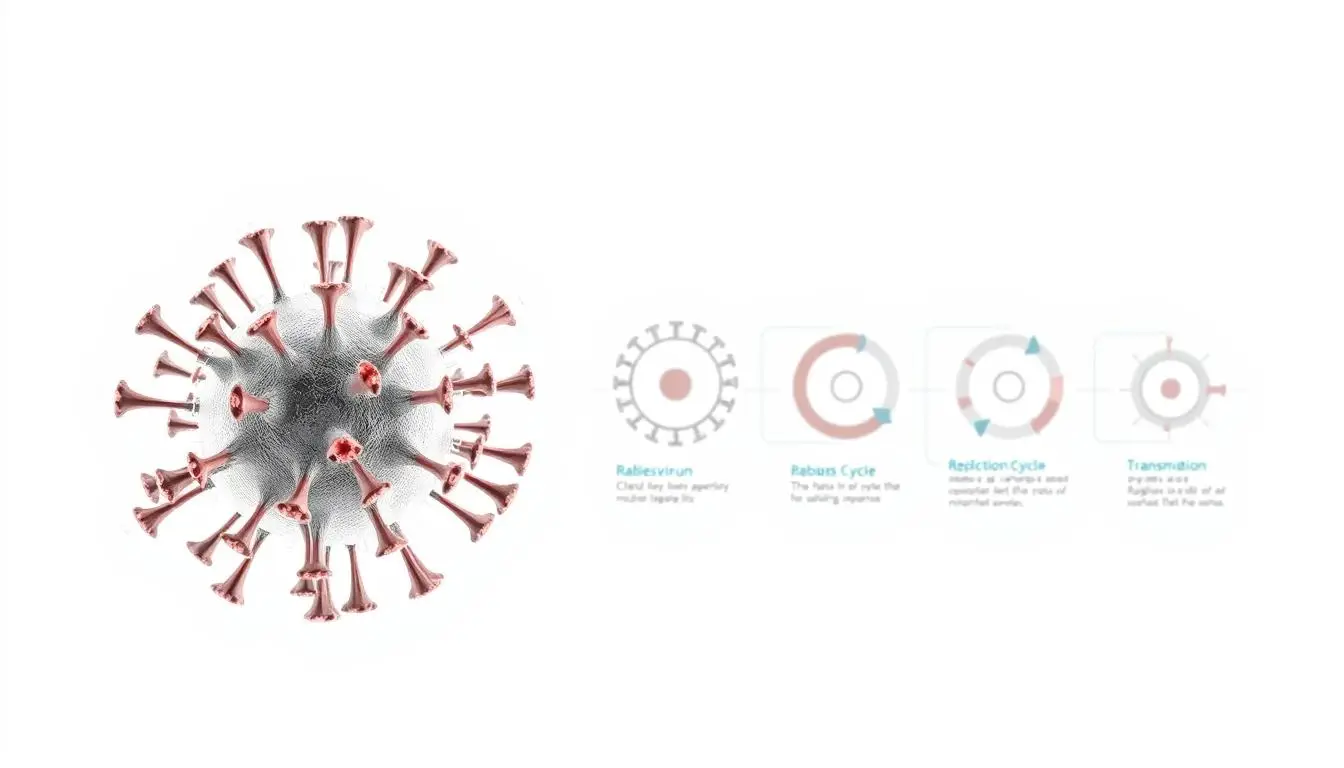
Quick answer: Rabies and tetanus are both serious but completely different. Rabies is a virus spread through the bite or saliva of an infected animal and attacks the nervous system; tetanus is caused by bacteria that enter through a wound and cause muscle stiffness and spasms. Neither spreads between people, and both are largely preventable with vaccination.
Rabies is a virus spread through animal bites. Tetanus is caused by bacteria that enter through wounds. They are not the same disease, and they do not share a vaccine. Both need immediate medical attention, and both are preventable.
Rabies attacks the nervous system and is almost always fatal once symptoms appear. It kills roughly 59,000 people worldwide each year, mostly in Asia and Africa. In the U.S., human cases are rare thanks to animal vaccination programs, but wildlife like bats, raccoons, and skunks still carry it.
Tetanus is caused by Clostridium tetani bacteria found in soil, dust, and manure. It gets in through cuts and puncture wounds. It is not contagious. You cannot catch tetanus from another person.
Key Takeaways
- Rabies is a virus spread through animal bites; tetanus is bacteria that enters through wounds
- Both require immediate medical attention
- Rabies is nearly 100% fatal once symptoms appear
- Vaccination prevents both diseases
- Tetanus is not contagious; rabies is not spread between humans
What Causes Each Disease
Rabies: A Viral Infection
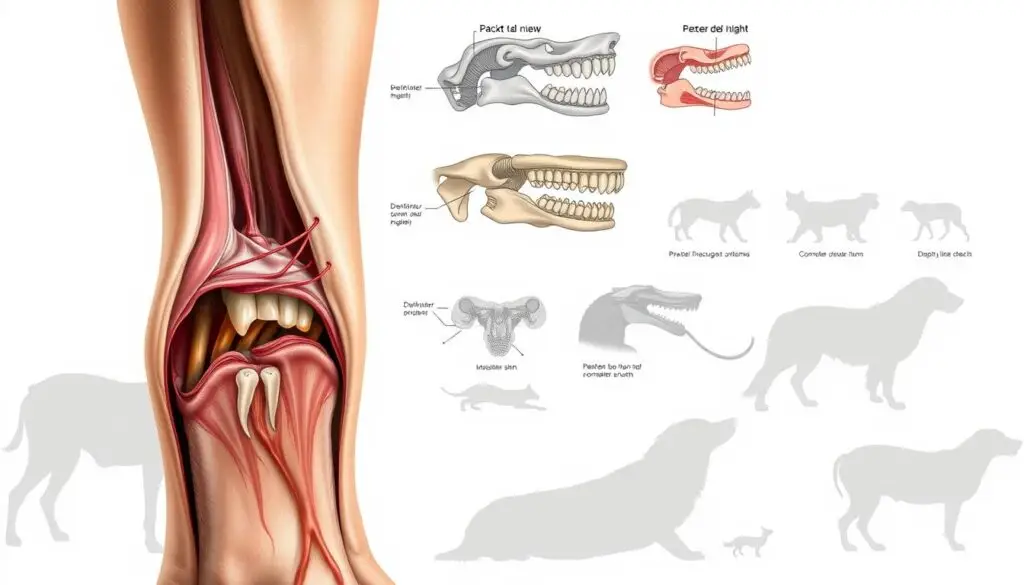
The rabies virus spreads through bites or scratches from infected animals. It exists on every continent except Antarctica. In the U.S., bats are the most common source. Globally, dogs account for over 91% of human rabies cases.
Mass dog vaccination programs in the U.S. and Europe have nearly eliminated domestic animal transmission. But in regions with widespread canine rabies, dog bites remain the primary risk.
Tetanus: A Bacterial Infection
Clostridium tetani lives in soil, dust, and animal feces. It enters through contaminated wounds, especially deep punctures. In the U.S., tetanus is rare because of widespread vaccination. Unvaccinated individuals face a 22% fatality rate.
| Feature | Rabies | Tetanus |
|---|---|---|
| Cause | Virus | Bacteria (C. tetani) |
| Transmission | Animal bites or scratches | Contaminated wounds |
| Contagious? | Not between humans | Not at all |
How Symptoms Differ
Recognizing symptoms early can save lives. Both diseases start with vague signs but progress very differently.
Rabies Symptoms
Early symptoms look like the flu: fever, headache, fatigue. This phase lasts 2-10 days. Then it gets worse. You may develop hydrophobia (fear of water), muscle spasms, confusion, and agitation.
The virus travels along nerves to the brain. Once neurological symptoms appear, the disease is almost always fatal. That is why post-exposure treatment must start before symptoms show.
Tetanus Symptoms
Tetanus usually starts with jaw stiffness, known as lockjaw. Painful muscle spasms then spread to the neck, chest, and limbs. Swallowing becomes difficult. Unlike rabies, tetanus does not affect the brain directly but attacks the nervous system through a toxin.
| Feature | Rabies | Tetanus |
|---|---|---|
| Early signs | Fever, headache, fatigue | Jaw stiffness (lockjaw) |
| Distinctive signs | Hydrophobia, muscle spasms, confusion | Painful spasms spreading from jaw |
| Mechanism | Virus travels nerves to brain | Toxin affects nervous system |
If you have been bitten by an animal or have a deep, contaminated wound, see a healthcare provider immediately.
How Each Disease Spreads

Rabies Transmission
Rabies spreads through saliva from infected animals, usually through bites. Scratches that break the skin can also transmit the virus. Common carriers in the U.S. include bats, raccoons, skunks, and foxes.
If bitten, wash the wound immediately with soap and water for at least 5 minutes. This simple step significantly reduces infection risk.
Tetanus Transmission
Tetanus bacteria enter through wounds exposed to contaminated soil, dust, or feces. Puncture wounds, burns, crush injuries, and wounds with dead tissue carry the highest risk. You cannot catch tetanus from another person.
Proper wound care is your first defense:
- Clean wounds thoroughly with soap and water
- Apply antiseptic
- Seek medical help for deep or dirty wounds
Diagnosis
Diagnosing these conditions requires different approaches.
Rabies requires multiple lab tests, including serum and saliva analysis. No single test can confirm it in a living person. Diagnosis is often based on exposure history combined with symptoms.
Tetanus is typically diagnosed clinically based on symptoms and wound history. There is no definitive lab test for tetanus. A history of missed vaccinations raises suspicion.
For both diseases, your healthcare provider will assess your risk based on the type of wound, what caused it, and your vaccination status.
Treatment and Prevention
Immediate Wound Care
For any animal bite or contaminated wound, act fast:
- Wash the wound with soap and water for at least 5 minutes
- Apply antiseptic
- Cover with a clean bandage
- See a healthcare provider the same day
Rabies: Post-Exposure Prophylaxis (PEP)
The rabies virus travels along nerves toward the brain. PEP stops this process. It includes rabies immune globulin (for immediate protection) plus a series of rabies vaccine doses (to build lasting immunity).
PEP is highly effective when it is started promptly and the full course is completed — it works by stopping the virus before it reaches the nervous system. Once clinical symptoms appear, the World Health Organization describes rabies as virtually 100% fatal, and there is no effective treatment. That is why speed matters more here than with almost any other exposure.
Tetanus: Boosters and Immune Globulin
If your last tetanus shot was more than 5 years ago and you have a dirty wound, you need a booster. For severe wounds, your doctor may also give tetanus immune globulin for immediate protection.
| Treatment | Purpose | When |
|---|---|---|
| Rabies PEP | Stops virus from reaching the brain | Immediately after exposure |
| Tetanus booster | Maintains immunity | Every 5-10 years, or after wound |
Vaccination: Your Best Protection
Pre-Exposure Vaccination
Rabies pre-exposure vaccination is recommended for high-risk groups: veterinarians, animal handlers, travelers to endemic areas. It involves three shots over 28 days.
Tetanus vaccination is part of routine childhood immunization. Adults need a booster every 10 years. If you are unsure about your vaccination status, ask your doctor.
Post-Exposure Vaccination
For rabies, unvaccinated people need four vaccine doses over 14 days plus immune globulin. Previously vaccinated people need only two doses.
For tetanus, a booster is recommended for contaminated wounds if it has been more than 5 years since your last shot.
What to Do After an Animal Bite
Animal bites can happen to anyone. Children are bitten more often than adults, and hand bites carry higher infection risk.
Immediate steps:
- Wash the wound with soap and water for at least 5 minutes
- Apply antiseptic
- Cover with a clean bandage
- See a healthcare provider the same day
Watch for signs of infection: redness, swelling, warmth, or pus. Report any changes to your doctor. For bites from wild animals or unvaccinated pets, rabies PEP should be discussed immediately.
For detailed guidance, see the Mayo Clinic’s animal bite guide.
Common Myths vs. Facts
- Myth: Rabies spreads between humans. Fact: It spreads through infected animal saliva, not person to person.
- Myth: Tetanus can be treated with natural remedies. Fact: Tetanus requires medical intervention including vaccine and immune globulin.
- Myth: Only wild animals carry rabies. Fact: Unvaccinated domestic animals can also be carriers.
- Myth: Rusty nails cause tetanus. Fact: The rust itself is harmless. The bacteria lives in soil and can be on any dirty object.
The Bottom Line
Rabies and tetanus are very different diseases, but the response to both starts the same way: clean the wound, get medical help fast, and make sure your vaccines are current.
Rabies is nearly 100% fatal once symptoms appear but 100% preventable with prompt treatment. Tetanus is serious but treatable and entirely preventable with routine vaccination.
Do not wait. If you have been bitten by an animal or have a deep, contaminated wound, contact your healthcare provider immediately.
FAQ
What are the key symptoms of rabies?
Early signs include fever, headache, and weakness. As the virus progresses, confusion, agitation, and difficulty swallowing develop. Severe cases lead to paralysis and death if untreated.
How does tetanus differ from rabies in symptoms?
Tetanus causes muscle stiffness starting in the jaw (lockjaw) and painful spasms that spread. Rabies affects the brain and causes hydrophobia, confusion, and neurological decline.
How is rabies transmitted?
Through the saliva of an infected animal, usually via a bite or scratch. Contact with open wounds or mucous membranes can also lead to exposure.
What should you do if bitten by a wild animal?
Wash the wound with soap and water immediately. See a healthcare provider the same day to assess rabies risk and start post-exposure prophylaxis if needed.
Is there a cure for rabies once symptoms appear?
No. Rabies is almost always fatal once symptoms develop. That is why immediate post-exposure treatment is critical.
How can you prevent tetanus after a wound?
Keep your tetanus vaccination current. If the wound is deep or contaminated, see your doctor for a booster shot.
Can domestic animals like dogs and cats carry rabies?
Yes, if they are unvaccinated. Vaccinating your pets is one of the best ways to protect your family from rabies.
What is post-exposure prophylaxis for rabies?
A series of rabies vaccine doses plus rabies immune globulin. It is highly effective if started before symptoms appear.
Can you get rabies from a bat bite?
Yes. Bats are common rabies carriers. Even minor bat bites or scratches should be treated as potential rabies exposure.
How often should you get a tetanus booster?
Every 10 years for routine protection. If you get a high-risk wound, your doctor may recommend a booster sooner.
Is the tetanus vaccine the same as the rabies vaccine?
No. They are two completely different vaccines for two different diseases. The tetanus vaccine (Td or Tdap) protects against tetanus bacteria and is given routinely, usually every 10 years. The rabies vaccine protects against the rabies virus and is given either before high-risk travel or right after a possible exposure. Getting one does not protect you against the other.
Does a tetanus shot protect against rabies?
No. A tetanus shot does nothing to protect you against rabies. After an animal bite you may need both: a tetanus booster for the wound itself, and rabies post-exposure treatment for the virus. Ask your doctor about both, not just one.
Which is more dangerous, tetanus or rabies?
Both are dangerous, in different ways. Rabies is almost always fatal once symptoms start, which is why treatment has to begin before symptoms appear. Tetanus is serious and can be fatal, but it is treatable with prompt medical care. Both are preventable with vaccines.
Does rabies cause lockjaw?
Lockjaw is a classic sign of tetanus, not rabies. Rabies can cause painful spasms in the throat that make swallowing difficult, which is called hydrophobia. If your jaw stiffens or locks after a wound, think tetanus and seek care right away.
Medically reviewed by Dr. Meenu Vaid, MD, Board-certified in Internal Medicine, Infectious Disease, and Addiction Medicine. Last reviewed on June 27, 2026.
Related: Tetanus in Children: Risks and Prevention Tips
Medically reviewed by Dr. Meenu Vaid, MD, Board-Certified in Internal Medicine and Infectious Disease. Last clinically reviewed on August 2, 2026.
This article is for general educational purposes only and is not medical advice. Reading it does not create a doctor-patient relationship. For emergencies call 911. For crisis support call or text 988. Read our full medical disclaimer.