Quick answer: The acute phase is the stage of an infection when symptoms peak, typically fever, aches, fatigue and the symptoms specific to that infection, as your immune system mounts its strongest response. It usually lasts a few days to two weeks depending on the pathogen, and it is the stage when warning signs like trouble breathing, chest pain, confusion or a high persistent fever mean you should seek care right away.
When pathogens invade our body, they trigger a complex series of events as our immune system mounts a defense. The acute phase of infection is the third of the five stages of infection and represents a critical period in this battle, when symptoms are most pronounced and the body’s inflammatory response is in full swing. Understanding this phase can help you recognize what’s happening in your body and make informed decisions about self-care and when to seek medical attention.
In this comprehensive guide, we’ll explore what happens during the acute phase of infection, how long it typically lasts for different pathogens, and provide practical advice for managing symptoms and supporting recovery. Whether you’re dealing with a viral, bacterial, or fungal infection, knowing what to expect can help you navigate this challenging time with confidence.
What Is the Acute Phase of Infection?
The acute phase of infection, also known as the illness stage, is the period when infection-specific signs and symptoms appear. This phase follows the incubation and prodromal stages and represents the height of the battle between the pathogen and your immune system.
During this phase, the infectious agent has multiplied sufficiently to cause noticeable symptoms specific to the type of infection. Your body responds with targeted immune mechanisms to eliminate the threat, often resulting in inflammation and the classic signs of infection.
Key Characteristics of the Acute Phase:
- Appearance of infection-specific symptoms
- Peak inflammatory response
- Highest pathogen activity
- Maximum immune system activation
- Most contagious period for many infections
The acute phase is distinct from earlier and later stages of infection. While the prodromal stage might present with vague symptoms like fatigue or mild discomfort, the acute phase brings clearly identifiable symptoms specific to the infection type. Understanding this distinction helps you recognize where you are in the infection timeline and what to expect next.
Key Physiological Processes During the Acute Phase
Immune System Response
When an infection reaches its acute phase, your immune system launches a coordinated attack against the invading pathogen. This response involves both innate immunity (your body’s first line of defense) and adaptive immunity (which targets specific pathogens).
Innate Immune Response:
- Neutrophils and macrophages engulf and destroy pathogens
- Inflammatory mediators cause blood vessels to dilate
- Increased blood flow to infected areas (causing redness and heat)
- Fluid accumulation in tissues (causing swelling)
- Activation of pain receptors (causing discomfort)
Adaptive Immune Response:
- T-cells identify and target infected cells
- B-cells produce antibodies specific to the pathogen
- Memory cells form to protect against future infections
- Cytokines coordinate immune cell activities
- Complement system enhances antibody effectiveness
Pathogen Replication and Activity
During the acute phase, pathogens are actively replicating and spreading throughout the body. The type of pathogen determines its specific activities:
| Pathogen Type | Replication Method | Primary Targets | Damage Mechanisms |
| Viruses | Hijack host cells to produce viral copies | Specific cell types (e.g., respiratory epithelium for flu) | Cell lysis, immune-mediated damage, cytokine storms |
| Bacteria | Binary fission (cell division) | Varies by species (tissue-specific or systemic) | Toxin production, biofilm formation, nutrient competition |
| Fungi | Budding or hyphal extension | Skin, mucous membranes, lungs, bloodstream | Tissue invasion, allergen production, metabolic byproducts |
Acute Phase Proteins and Biomarkers
The liver produces special proteins called acute phase proteins in response to inflammation during infection. These proteins serve various protective functions and can be measured as biomarkers of infection severity.
Several of these proteins are measured routinely in clinical practice:
- C-reactive protein (CRP): rises quickly with inflammation and is often used to gauge how active an infection is.
- Procalcitonin: commonly used to help distinguish bacterial infection from viral, which informs whether antibiotics are appropriate.
- Ferritin: rises during inflammation and is sometimes tracked in more severe infections.
- Interleukin-6 (IL-6): a signalling molecule that drives much of the inflammatory response.
These biomarkers help healthcare providers assess infection severity and guide treatment decisions during the acute phase.
Common Symptoms During the Acute Phase
While specific symptoms vary depending on the type of infection, many acute infections share common manifestations. These symptoms result from both the pathogen’s direct effects and your body’s immune response.
Systemic Symptoms
- Fever (often 100.4°F/38°C or higher)
- Fatigue and weakness
- Muscle aches and joint pain
- Headache
- Loss of appetite
- Swollen lymph nodes
Respiratory Infections
- Persistent cough
- Sore throat
- Nasal congestion
- Shortness of breath
- Chest pain or pressure
- Sinus pain
Gastrointestinal Infections
- Nausea and vomiting
- Diarrhea
- Abdominal pain or cramping
- Bloating
- Reduced appetite
- Dehydration
Symptoms by Pathogen Type
Different types of pathogens often cause distinctive symptom patterns during the acute phase:
| Infection Type | Common Symptoms | Distinctive Features |
| Viral Infections | Fever, fatigue, body aches, respiratory symptoms | Gradual onset, widespread symptoms, less responsive to antibiotics |
| Bacterial Infections | High fever, localized pain, swelling, pus formation | Often rapid onset, more localized symptoms, responsive to appropriate antibiotics |
| Fungal Infections | Skin rashes, itching, respiratory symptoms in some cases | Slower progression, often affect skin/mucous membranes, may become chronic |
Warning Signs Requiring Immediate Medical Attention
While many infections can be managed at home, certain symptoms during the acute phase require prompt medical care:
- Difficulty breathing or shortness of breath
- Persistent pain or pressure in the chest
- New confusion or inability to wake/stay awake
- Bluish lips or face
- Severe, persistent vomiting or diarrhea
- Inability to keep fluids down
- Fever above 103°F (39.4°C) or fever lasting more than 3 days
- Severe headache with stiff neck
- Rash that spreads quickly or doesn’t blanch (fade) when pressed
Duration Variations Between Pathogens
The duration of the acute phase varies significantly depending on the specific pathogen, the individual’s immune response, and whether appropriate treatment is administered. Understanding these variations can help set realistic expectations for recovery.
Common Infection Examples
COVID-19
The acute phase of COVID-19 typically lasts 1-2 weeks for mild to moderate cases, though some symptoms may persist longer. For most people fever settles within the first week, while fatigue and respiratory symptoms can linger into the second.
Symptom Timeline: Fever (days 1-5), cough and fatigue (days 1-14), loss of taste/smell (days 2-14+), shortness of breath (days 5-10 in moderate cases)
Influenza
The flu has a relatively short acute phase, typically lasting 3-7 days. Symptoms often appear suddenly and can be intense, with fever usually subsiding within 3-4 days. According to the CDC, most people recover from flu within one week, though fatigue may persist for several more days.
Symptom Timeline: Sudden onset fever and chills (days 1-3), body aches (days 1-5), respiratory symptoms (days 1-7), gradual improvement after day 4-5
Strep Throat
The acute phase of strep throat (caused by Streptococcus pyogenes) typically lasts 3-5 days without antibiotics. With appropriate antibiotic treatment, symptoms often improve within 24-48 hours, though complete resolution may take up to a week.
Symptom Timeline: Severe sore throat (days 1-5), fever (days 1-3), swollen lymph nodes (days 1-5), rapid improvement after starting antibiotics
Factors Affecting Duration
Factors That May Prolong the Acute Phase:
- Advanced age (65+ years)
- Underlying health conditions (diabetes, heart disease, etc.)
- Immunocompromised status
- Delayed or inappropriate treatment
- High initial pathogen load
- Particularly virulent pathogen strains
Factors That May Shorten the Acute Phase:
- Prompt appropriate treatment
- Strong immune system
- Younger age
- Good overall health
- Adequate rest and hydration
- Previous exposure to similar pathogens
| Infection Type | Typical Acute Phase Duration | With Treatment | Without Treatment |
| Common Cold | 7-10 days | 7-10 days (symptomatic relief only) | 7-10 days |
| Influenza | 3-7 days | 3-5 days (with antivirals) | 5-7 days |
| COVID-19 (mild) | 7-14 days | 7-10 days (with appropriate care) | 10-14 days |
| Strep Throat | 3-5 days | 1-3 days (with antibiotics) | 5-7 days |
| Urinary Tract Infection | 2-5 days | 1-2 days (with antibiotics) | 5-7 days (risk of progression) |
Actionable Guidance for Patients
When to Seek Medical Care
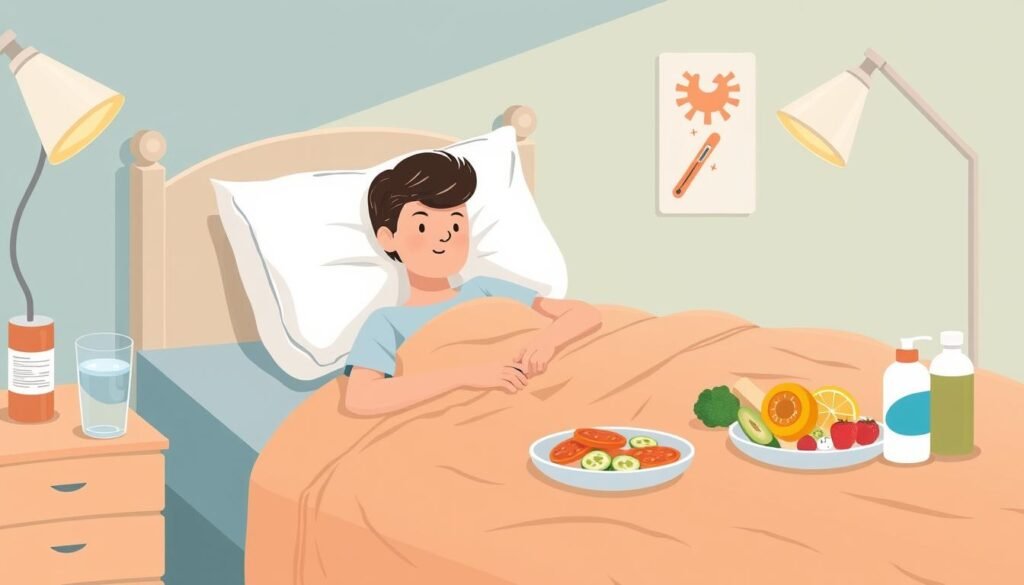
Knowing when to manage an infection at home versus when to seek professional care is crucial during the acute phase. Use these guidelines to make informed decisions:
Seek Immediate Emergency Care If:
- Difficulty breathing or shortness of breath
- Persistent chest pain or pressure
- New confusion or inability to stay awake
- Bluish lips or face
- Severe, uncontrolled pain
- Signs of sepsis (extreme temperature, rapid breathing/heart rate, severe pain)
Contact Your Doctor If:
- Fever above 102°F (38.9°C) that doesn’t respond to medication
- Symptoms persist beyond the expected duration
- Symptoms worsen after initial improvement
- You have underlying health conditions
- You’re unsure about medication interactions
- You’re pregnant or breastfeeding
OTC Medication Precautions
Over-the-counter medications can help manage symptoms during the acute phase, but they must be used carefully. Always read labels, follow dosing instructions, and be aware of these important precautions:
| Medication Type | Common Uses | Important Precautions |
| Acetaminophen (Tylenol) | Fever reduction, pain relief | Don’t exceed maximum daily dose (3,000-4,000mg); can cause liver damage. Avoid alcohol consumption. |
| NSAIDs (Ibuprofen, Naproxen) | Fever, pain, inflammation | Take with food; can cause stomach irritation, kidney issues with prolonged use. Avoid with certain heart conditions. |
| Decongestants | Nasal/sinus congestion | Can raise blood pressure; avoid with hypertension, heart disease, thyroid issues. Don’t use nasal sprays >3 days. |
| Antihistamines | Allergy symptoms, runny nose | May cause drowsiness; avoid driving/operating machinery. Can cause dry mouth, urinary retention in older adults. |
| Cough Suppressants | Dry, hacking cough | Not recommended for productive coughs (coughing up mucus). May interact with certain medications. |
Medication Interactions
Always consult with a healthcare provider or pharmacist about potential interactions between OTC medications and:
- Prescription medications you’re currently taking
- Supplements or herbal remedies
- Existing health conditions
- Other OTC medications you’re using simultaneously
Hydration and Nutrition Tips
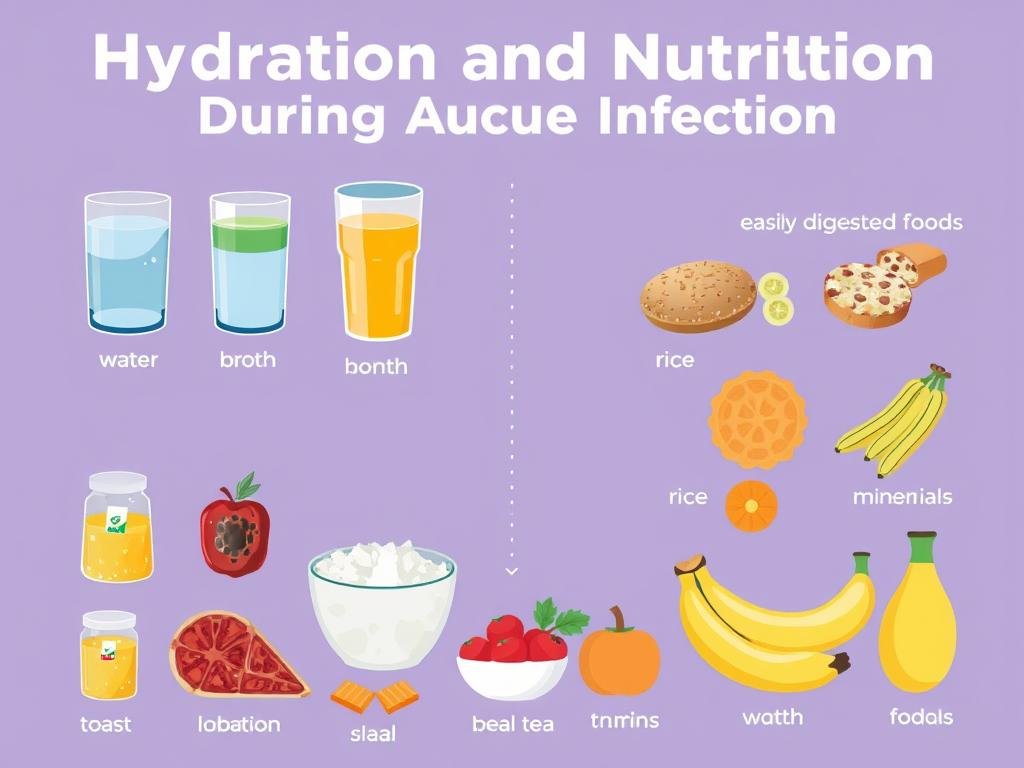
Proper hydration and nutrition are crucial during the acute phase of infection. They support your immune system and help your body fight off the infection more effectively.
Hydration Guidelines:
- Drink at least 8-10 cups (64-80 oz) of fluid daily
- Increase intake if you have fever, diarrhea, or vomiting
- Watch for signs of dehydration (dark urine, dizziness, dry mouth)
- Choose water, clear broths, herbal teas, and diluted fruit juices
- Avoid alcohol and caffeine, which can worsen dehydration
- Consider oral rehydration solutions for severe fluid loss
Nutrition Recommendations:
- Eat small, frequent meals if appetite is reduced
- Choose easily digestible foods when nauseated
- Include protein sources to support immune function
- Consume vitamin C-rich foods (citrus, berries, peppers)
- Include zinc sources (lean meats, nuts, seeds)
- Avoid highly processed foods and excess sugar
Need Personalized Guidance?
If you’re unsure about managing your symptoms or have questions about your specific situation, consult with a healthcare professional for personalized advice.
Comparing Infection Stages
Each stage has its own guide: the incubation stage before symptoms appear, the prodromal stage of early vague symptoms, the acute phase covered here, the decline stage as symptoms ease, and convalescence during recovery.
Understanding how the acute phase differs from other infection stages helps you recognize where you are in the infection timeline and what to expect next. Here’s how the acute phase compares to the prodromal and convalescent stages:
| Characteristic | Prodromal Stage | Acute Phase (Illness Stage) | Convalescent Stage |
| Timing | After incubation, before full symptoms | Peak of infection | Recovery period after symptoms subside |
| Symptoms | Mild, non-specific (fatigue, malaise, low-grade fever) | Specific to infection type, most intense | Gradually improving, residual weakness |
| Pathogen Activity | Actively multiplying | Peak replication and activity | Declining or eliminated |
| Immune Response | Initial activation | Full inflammatory response | Resolution of inflammation, repair processes |
| Contagiousness | Often contagious, may precede awareness of illness | Typically most contagious | Decreasing or non-contagious |
| Duration | Hours to days | Days to weeks (pathogen-dependent) | Days to months |
| Treatment Focus | Early intervention, symptom monitoring | Pathogen elimination, symptom management | Recovery support, preventing complications |
Key Differences in Patient Experience
Prodromal Stage
“I don’t feel quite right. I’m more tired than usual and slightly achy, but I can’t pinpoint exactly what’s wrong. I might be coming down with something.”
- Vague sense of unwellness
- Can often continue normal activities
- May be dismissed as stress or fatigue
- Opportunity for early intervention
Acute Phase
“I’m definitely sick now. My symptoms are clear and affecting my daily activities. I need to rest and focus on managing these specific symptoms.”
- Unmistakable illness
- Normal activities disrupted
- Clear need for treatment/management
- Highest risk of complications
Convalescent Stage
“I’m feeling better than I was, but not quite back to normal. My main symptoms are gone, but I still tire easily and need to take it slow as I recover.”
- Gradual return to wellness
- Residual fatigue common
- Cautious resumption of activities
- Focus on preventing relapse
Transition Markers
How to recognize when you’re moving between stages:
- Prodromal to Acute: Vague symptoms develop into clear, specific symptoms characteristic of the infection
- Acute to Convalescent: Peak symptoms begin to subside, fever resolves, energy slowly returns
- Convalescent to Recovery: Return to pre-illness energy levels and full resumption of normal activities
Managing Through the Acute Phase

The acute phase of infection represents a critical period when your body is actively fighting against pathogens. Understanding what’s happening physiologically, recognizing common symptoms, and knowing how to respond appropriately can help you navigate this challenging time more effectively.
Most acute-phase infections run their course with rest, fluids, and time. What matters is knowing which symptoms mean waiting is no longer the right call. If a fever climbs and stays, breathing becomes difficult, or you feel worse rather than better after several days, that is the point to be seen.
Dr. Vaid is board certified in Infectious Disease and sees patients in Morgan Hill and by telehealth across California. Contact Savera if you want a physician to look at what is going on.
Need More Information?
For detailed guidance on specific infections and their management, consult these trusted resources:
Frequently asked questions
How long does the acute phase of an infection last?
What is the difference between the acute phase and the prodromal stage?
What symptoms during an infection mean I should seek care immediately?
Is the acute phase the same as the illness stage?
Medically reviewed by Dr. Meenu Vaid, MD, Board-Certified in Internal Medicine and Infectious Disease. Last clinically reviewed on August 1, 2026.
This article is for general educational purposes only and is not medical advice. Reading it does not create a doctor-patient relationship. For emergencies call 911. For crisis support call or text 988.